If you drive a truck, an AI dash cam probably showed up on your windshield without anyone asking. It beeps when you yawn. It “scores” your driving like you’re a teenager with a learner’s permit. And every fiber of your gut says the same thing: this thing is here to get me fired.
I’m not going to insult you by pretending that fear is stupid. It isn’t. You’ve earned that skepticism over a million miles. So let’s talk straight, driver to driver.
Here’s the real question you’re actually asking: is that camera watching for you or against you?
Table of Contents
Are AI Dash Cams Actually on the Driver’s Side?
Yes. A modern AI dash cam protects truck drivers more than it exposes them. It captures road-facing footage that proves what actually happened in a crash — clearing drivers of false blame, lowering insurance payouts, and catching microsleep before it causes a wreck. Unlike old cameras, it saves the clip that clears you, not the one that buries you.
Now let me show you why.
Why Truckers Hate AI Dash Cams (And Why That’s Fair)
You don’t hate the camera. You hate being watched by people who don’t drive. You hate the idea of some office kid reviewing a “harsh braking event” — the one where you saved a four-wheeler who cut you off.
You hate being judged by a machine that has never felt black ice grab a trailer at 2 a.m. That’s not paranoia. That’s pattern recognition. You’ve been burned before by systems that looked at data and ignored reality.
So here’s the honest pivot. The old cameras deserved your hate. The new ones are a different animal. And once you see what changed, you can’t unsee it.
How AI Dash Cam Footage Proves What Really Happened
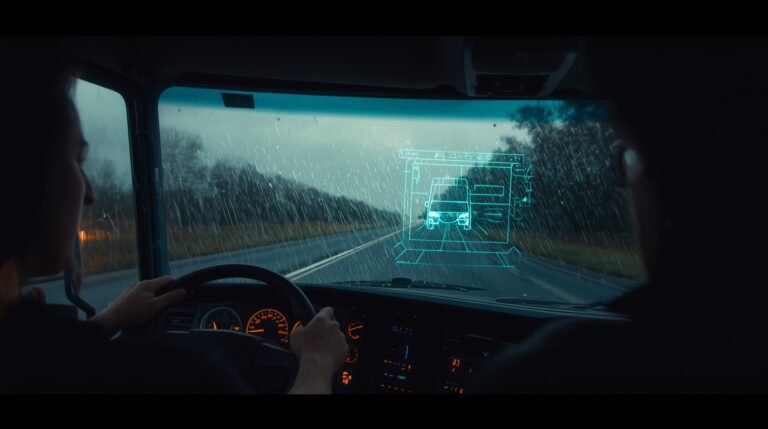
Old dash cams recorded everything and protected no one. They were a filing cabinet of evidence against you. The AI dash cam does the opposite. It watches the road, not just you. When something happens, a purpose-built multi-camera dash cam and safety system saves the clip that shows what actually went down.
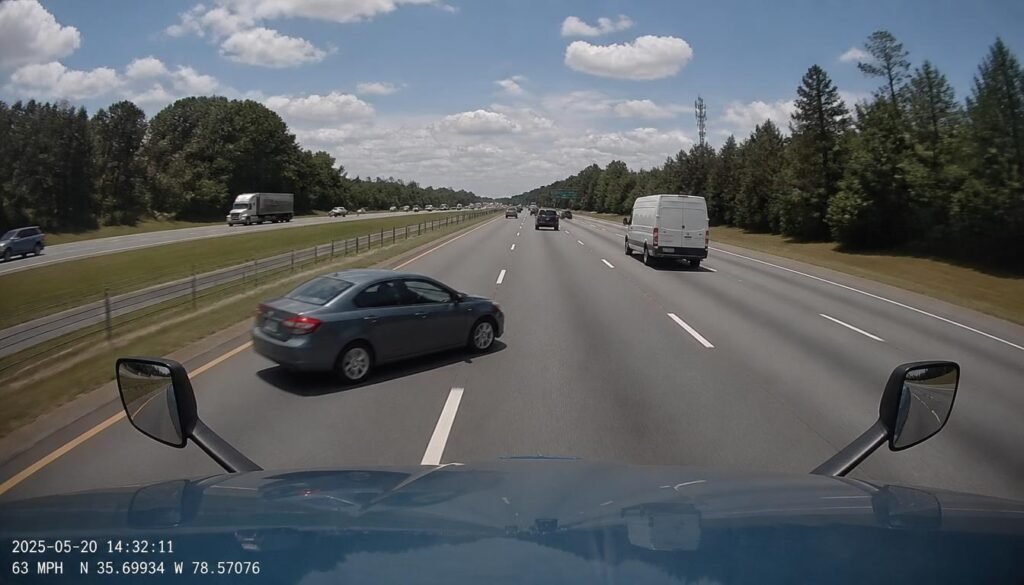
Think about the most common lie in trucking. A car slams its brakes, taps your bumper, then swears the big truck rear-ended them. For decades, you lost that fight. Big truck, small car — the jury already decided.
Now the footage tells the truth in ten seconds. The car cut across three lanes. The car braked for no reason. You had nowhere to go. The camera you thought was your enemy just became your best witness. That’s not a sales pitch. That’s physics plus a hard drive.
Will AI Dash Cam Footage Be Used Against You?
Here’s the fear underneath the fear. You think the footage only comes out when it hurts you.
So ask yourself one thing. Who benefits when a driver is falsely blamed for a crash? The plaintiff’s lawyer. The scammer in the four-wheeler. The insurance company looking to settle fast. All of them win when there’s no proof.
You know who loses? You. Your record. Your CDL. Your family’s income. The camera doesn’t care about your feelings, true. But it also doesn’t care about their lies. It’s the one thing in that whole mess with no agenda. In a world where everyone else has a reason to bend the story, neutral is your friend.
How Dash Cam Video Lowers Trucking Insurance Costs
Let’s talk about the thing that actually keeps trucks on the road: trucking insurance. A single nuclear verdict can end a carrier. And these payouts aren’t what they used to be.
The American Transportation Research Institute found that between 2010 and 2018, the average trucking verdict over $1 million exploded from $2.3 million to $22.3 million — a 967% jump with nothing to do with inflation. Juries have gotten brutal with trucking companies.
Why does that matter to you? Because fear of those verdicts is why fleets settle cases they should fight. And when they settle, guess whose name sits on the record.
Video changes the math. When a carrier can prove the driver did nothing wrong, they stop rolling over. They fight. They win. And the driver walks away clean. Some fleets pass those savings down — better equipment, better pay, lower turnover. The camera that felt like a cost is quietly funding the truck you actually want to drive.
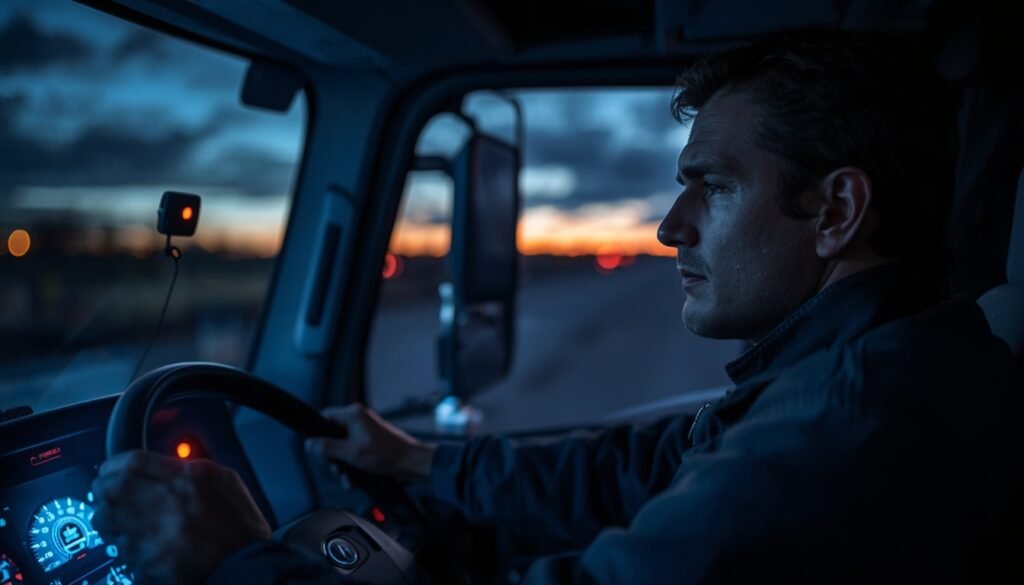
How AI Dash Cam Drowsiness Alerts Prevent Crashes
I know. The drowsiness alert is annoying. It goes off and you feel accused. But sit with one hard number. You cannot feel the exact second you nod off. Nobody can.
Microsleep steals three seconds before your brain even files a report. Three seconds at 65 mph is the length of a football field — driven blind. This isn’t a soft claim. The FMCSA’s research on driver fatigue ties it to about 13% of serious large-truck crashes. Federal researchers also found that being awake 18 hours hits your body like a 0.08 blood alcohol level — legally drunk.
The alert isn’t calling you weak. It catches the one thing no amount of experience can catch — the gap you’re not awake for. Twenty years of skill can’t help you during the moment you’re unconscious. That beep has pulled back drivers who swore they were “fine.” Fine is what everybody says right up until they aren’t.
Commercial Carrier Journal breaks down how AI dash cams and in-cab tech protect truck drivers — and why some drivers push back on driver-facing cameras.
Do AI Dash Cams Understand Real-World Truck Driving?
This is the strongest objection, so let’s give it full respect. You’re right that early systems were dumb. They flagged you for defensive moves. They punished the exact instincts that keep you alive. A hard swerve to miss a deer got scored the same as reckless driving.
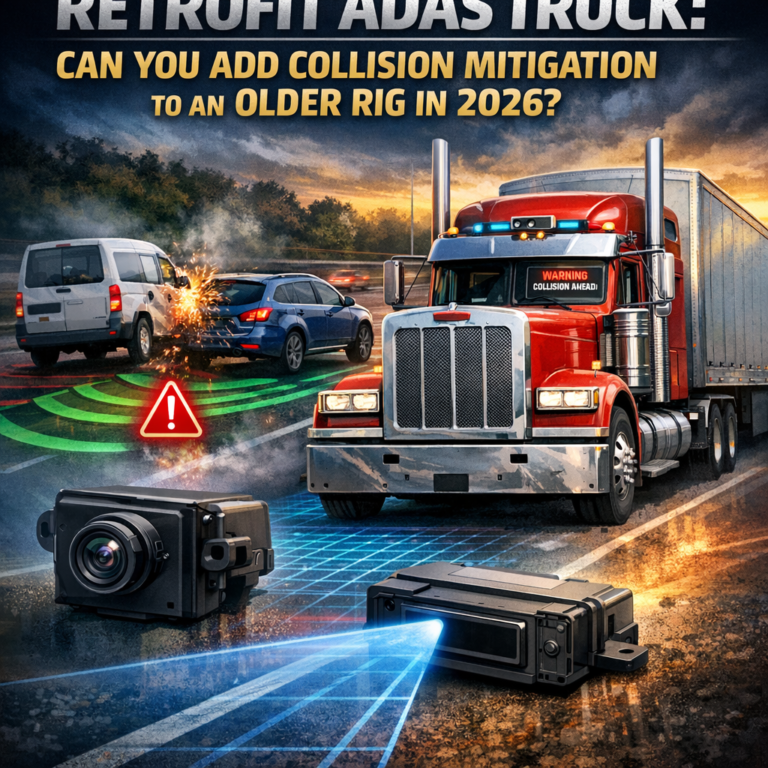
But that’s old news. Modern AI dash cams separate the two. They see the deer. They see you react. They log it as a good avoidance, not a violation. The same sensor leap behind today’s collision-mitigation retrofits for older trucks taught the camera the difference between a mistake and a save. It took years and a lot of driver complaints to get there. Your frustration is literally why it got better.
And here’s the part critics skip. The camera gives you a receipt for skill that used to be invisible. Every clean save, every smart move, now has proof. For the first time, being good at this job can be shown, not just claimed.
Real AI Dash Cam Exoneration Stories From Drivers
Ask around. Find the driver who got a clip that saved their career. They’re everywhere once you look. I’ve sat with drivers who keep that one exoneration clip on their phone like a winning lottery ticket.
- The guy accused of a lane-change crash — footage showed the other car was texting and drifted into him.
- The woman blamed for a parking lot hit — footage showed she was parked and off the clock.
- The rookie facing a “reckless” complaint from a road-rager — footage showed him calm while the four-wheeler went nuts.
None of these drivers loved the AI dash cam on day one. Every one of them thanks it now. The people who scream loudest against these systems are almost never the ones who’ve been saved by one. Talk to someone who has. It rearranges your whole opinion.

What AI Dash Cams Really Mean for Truckers
Strip away the tech talk and here’s the truth. For your entire career, the deck was stacked. Big truck, so you’re guilty. No witness, so it’s your word against theirs. A machine that couldn’t tell skill from recklessness.
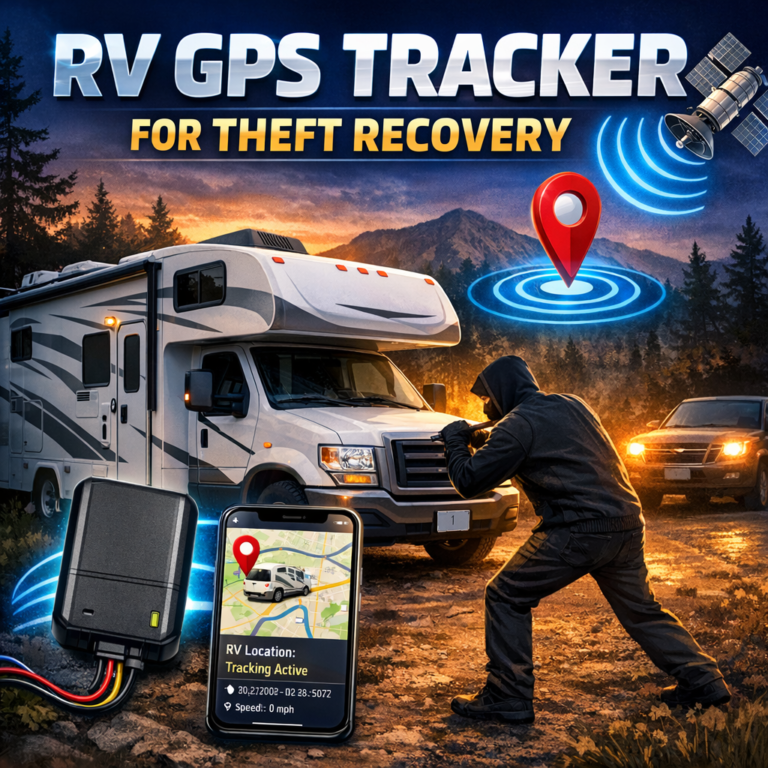
The AI dash cam, done right, unstacks the deck. It’s not a spy. It’s a witness that can’t be bribed, can’t be scared, and can’t be paid to lie. In a job where everyone’s ready to blame the trucker, that neutrality is the most valuable thing you can have riding shotgun. Round out the setup with a GPS tracker for theft recovery, and your rig starts defending itself.
You didn’t ask for it. Fair. But the question now isn’t whether it’s watching. It’s whether it’s watching for you or against you. The good ones watch for you.
Try Your AI Dash Cam for One Honest Week
For your whole career, the deck was stacked. Big truck, so you’re guilty. No witness, so it’s your word against theirs. A machine that couldn’t tell a skilled save from reckless driving. An AI dash cam, done right, pulls that deck apart. It’s a witness that can’t be bribed, can’t be scared, and can’t be paid to lie.
So here’s the deal. For one week, stop treating your AI dash cam like a cop and start treating it like a witness on retainer. Watch what it catches. Watch the clip that could’ve saved you a headache. Then decide from what you actually saw — not the fear you walked in with. The footage might be the only thing in that whole mess telling your side. Let it.