If you’re hunting for truck and rv guides and tips, you probably want fewer breakdowns, fewer “why is this smoking?” moments, and more miles that don’t feel like a survival reality show. Here’s the truth: most rigs fail for boring reasons—tires, weight, wiring, and lazy installs.
People love shiny upgrades. They ignore fundamentals. Then they act shocked when a $19 adapter and a prayer don’t power a fridge in July.
Bottom line: you don’t need “more gear.” You need fewer weak links.
Table of Contents
- The 2026 No-BS Checklist (What Actually Matters)
- Weight, Tires, Brakes: The Unsexy Stuff That Saves You
- Power & Electrical: Stop Burning Money (and Wire)
- Install Work That Doesn’t Suck (DIY Without Regret)
- Roadside Readiness: Build a “Fix It Now” Kit
- Smart Upgrades for 2026 (Not TikTok Trash)
- Frequently Asked Questions
- The Insider Takeaway
The 2026 No-BS Checklist (What Actually Matters)
Snippet Trap: The best truck and RV approach is simple: manage weight, protect tires and brakes, build a clean electrical system (correct wire size, fusing, and connections), and carry a real troubleshooting kit. Do that first. Then add comfort and tech upgrades only if they don’t create new failure points.
The problem is people plan trips like they’re packing for a vacation, not operating a rolling mechanical system that vibrates, heats, cools, and shakes itself apart.
Here’s your practical priority stack—in order:
- Weight & balance: If your setup runs overweight or nose-heavy, every other “upgrade” becomes a liability.
- Tires & brakes: Blowouts and brake fade don’t care about your Instagram plans.
- Electrical integrity: Clean power beats “it worked in my driveway.”
- Install quality: Vibration finds weak crimps, loose grounds, and bargain-bin connectors.
- Redundancy: A simple backup plan beats a complicated failure.
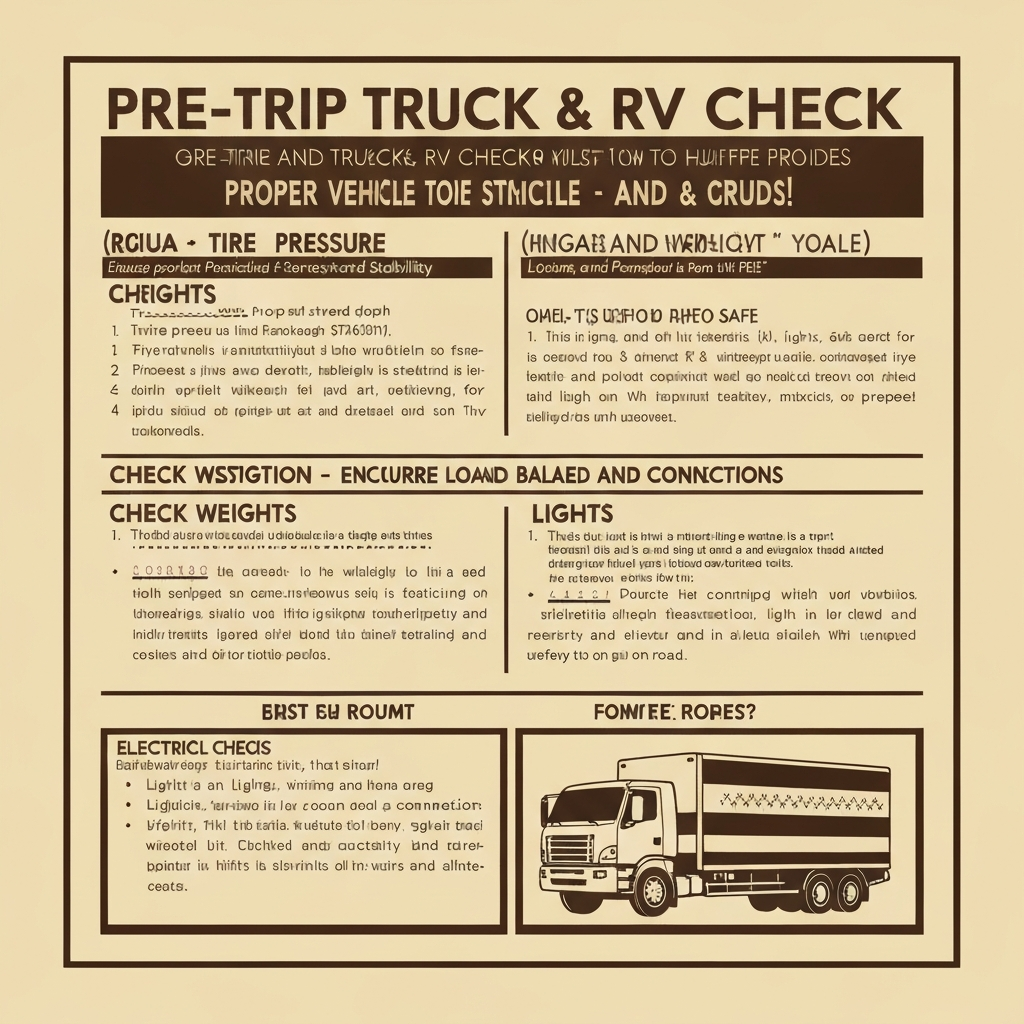
Hard opinion: if you refuse to weigh your rig, your “tips” don’t matter. Go to a scale. Get real axle numbers. If you don’t, you’re guessing—and guessing costs tires, brakes, and sometimes body panels.
And yes, if you tow, your hitch setup matters. A poorly adjusted weight distribution hitch can make your steering feel like a shopping cart with one bad wheel.
Want a solid DIY baseline for upgrades that don’t turn into weekend-long headaches? Start with a structured approach like this: RV DIY installation guides for safe, clean upgrades.
Weight, Tires, Brakes: The Unsexy Stuff That Saves You
Fast forward to the most common failure chain I see: overweight rig → underinflated tires → heat buildup → blowout → collateral damage (fender, wiring, plumbing, your mood).
Underinflation is not “a little squishy.” It’s heat. Heat kills tires. The U.S. National Highway Traffic Safety Administration has long pushed tire pressure and maintenance as a safety priority for a reason. NHTSA tire safety guidance lays it out in plain language.
What I do (and what actually works):
- Check pressures cold before travel days. Not after you’ve driven 30 minutes and convinced yourself “it’s fine.”
- Use a real gauge, not a gas-station relic that’s been dropped since 2009.
- Match tire ratings to axle loads. “The sidewall says 80 PSI” doesn’t mean your load needs that exact number—but you need to calculate properly.
- Inspect tread and sidewalls. Cracks, bulges, odd wear patterns = you’re already late.
On brakes: if your stopping distance feels “a bit long,” it’s not cute. It’s a warning. Overheated brakes can fade hard, and you won’t negotiate with gravity on a long downgrade.
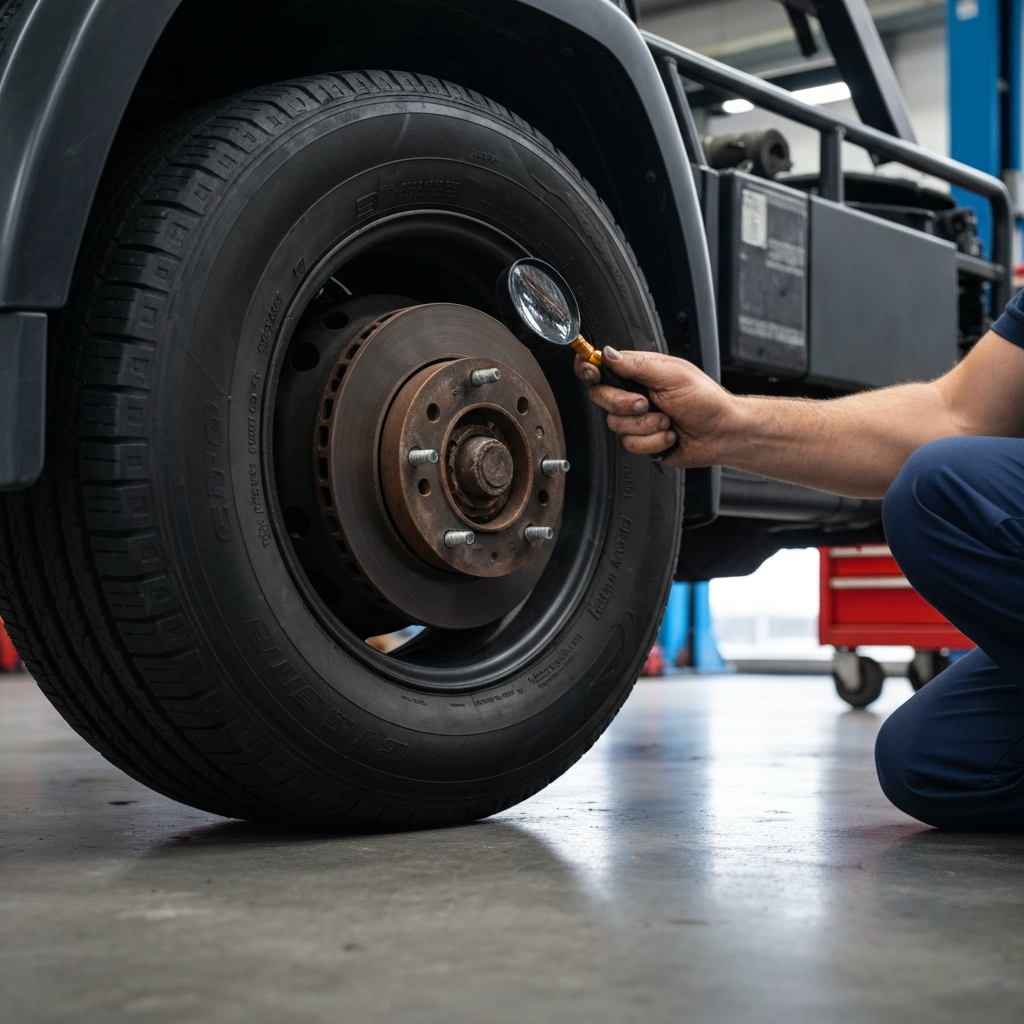
One more truth bomb: cheap “universal” TPMS kits vary wildly. Some work. Some lie. If your system drops sensors constantly or shows nonsense temps, replace it. Bad data is worse than no data.
Also, if you’re a commercial operator or run long-haul patterns, don’t treat fatigue like a personality trait. The Federal Motor Carrier Safety Administration spells out Hours of Service rules and the logic behind them. FMCSA HOS overview is a useful reference even for non-CDL folks who still want to stay alive.
Power & Electrical: Stop Burning Money (and Wire)
Most electrical problems aren’t “mysteries.” They’re math plus bad connections.
The biggest lie people tell themselves: “This inverter is 3000W so I’m good.” No. You’re only “good” if your cables, fusing, battery capacity, and ventilation support that load.
Start with these non-negotiables:
- Short cable runs between battery and inverter. Long runs create voltage drop and heat.
- Proper wire gauge sized for current and distance. “Looks thick” is not a unit of measurement.
- Correct fusing close to the battery. Protect the wire, not your feelings.
- Clean grounds with solid bonding points. Paint is not conductive. Rust is not conductive. Hope is not conductive.
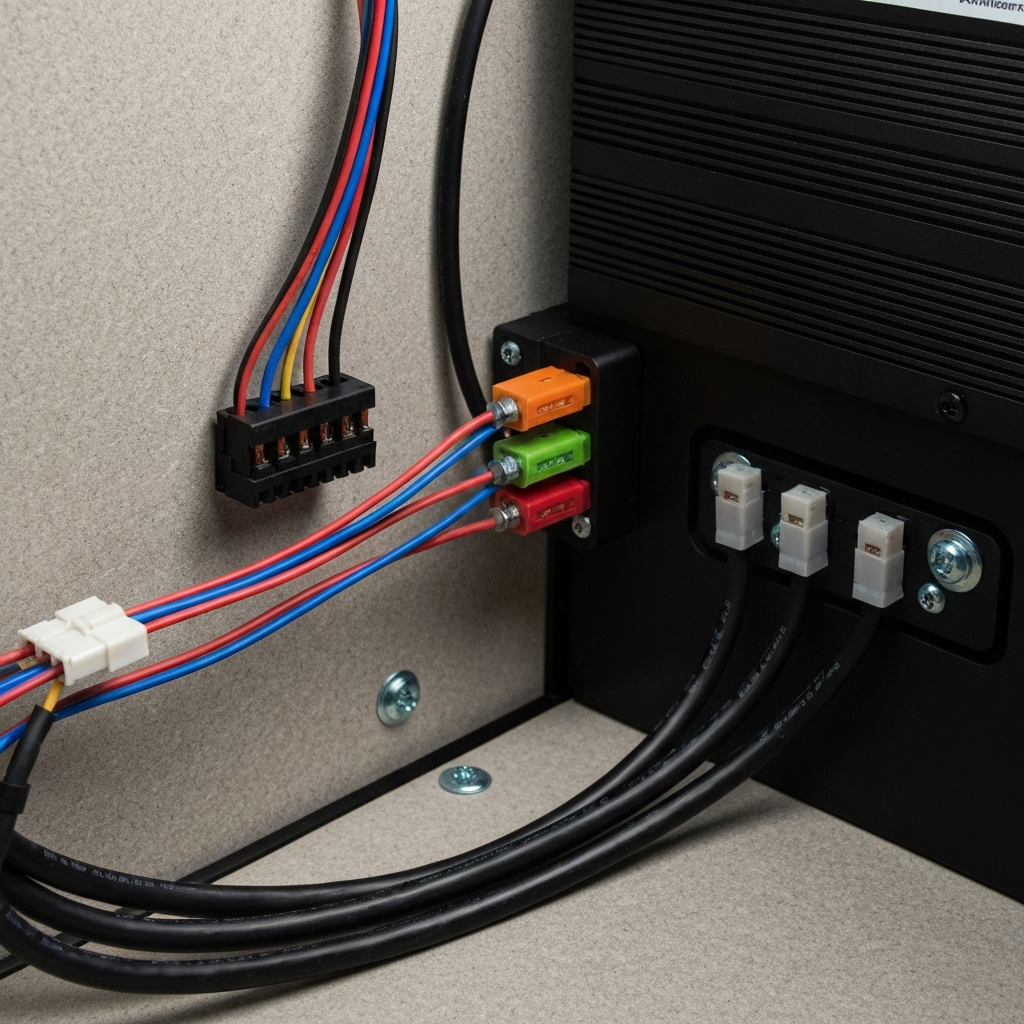
If you’re installing or upgrading an inverter, don’t wing it. Use a step-by-step process that covers placement, cable sizing, fusing, and load planning—like this: how to install an RV power inverter the right way.
Pure sine wave vs modified sine wave: Here’s the truth: modified sine wave inverters can run basic resistive loads, but they often make electronics run hot, buzz, or behave weirdly. Modern chargers, variable-speed motors, and medical devices don’t deserve your bargain experiment. If you want the technical background, Wikipedia’s overview is a decent starting point. Power inverter basics.
Opinion: I’d rather run a smaller pure sine inverter than a big cheap modified unit that turns my gear into a science fair project.
And if you’re stacking loads (microwave + coffee maker + air fryer because you like chaos), you need to plan for peak draw. Don’t size your system for “average.” Size it for “worst case when you’re tired and impatient.”
Install Work That Doesn’t Suck (DIY Without Regret)
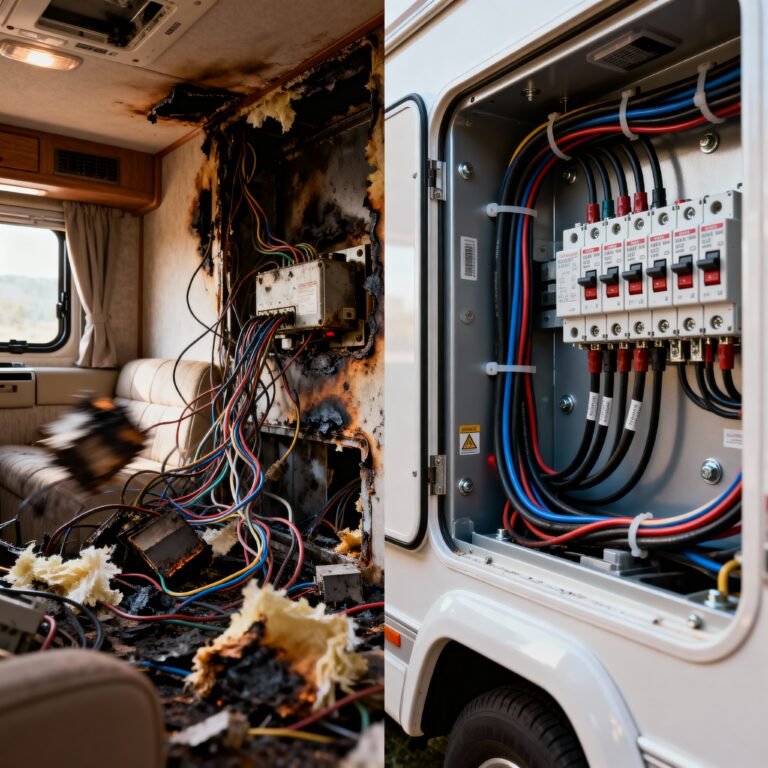
DIY can be excellent. DIY can also be a crime scene.
My rule: if a connection can loosen, it will. If a wire can chafe, it will. If water can enter, it will—usually at night, in the rain, when every store is closed.
So do the stuff that survives vibration and weather:
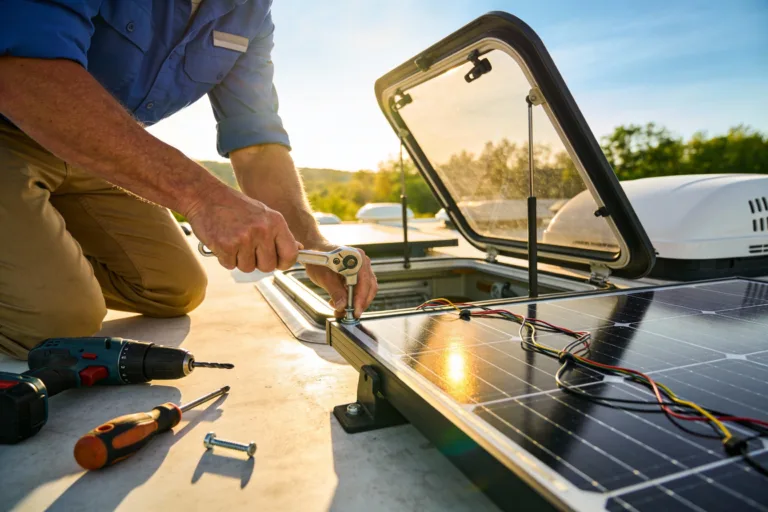
- Use marine-grade heat shrink and quality crimp connectors. Cheap plastic sleeves are basically decorative.
- Support wiring every 12–18 inches. Hanging harnesses saw through their own insulation.
- Protect penetrations with grommets and sealant. Bare metal edges chew wires like a snack.
- Label everything. Future-you will either thank you or curse you. Choose your legacy.
When you plan upgrades, use a methodical approach that keeps things clean and safe. I like structured guides because they force you to think through routing, mounting, and protection before you drill your “confidence hole.” A solid hub for that mindset is this: safe, clean RV DIY installation practices.
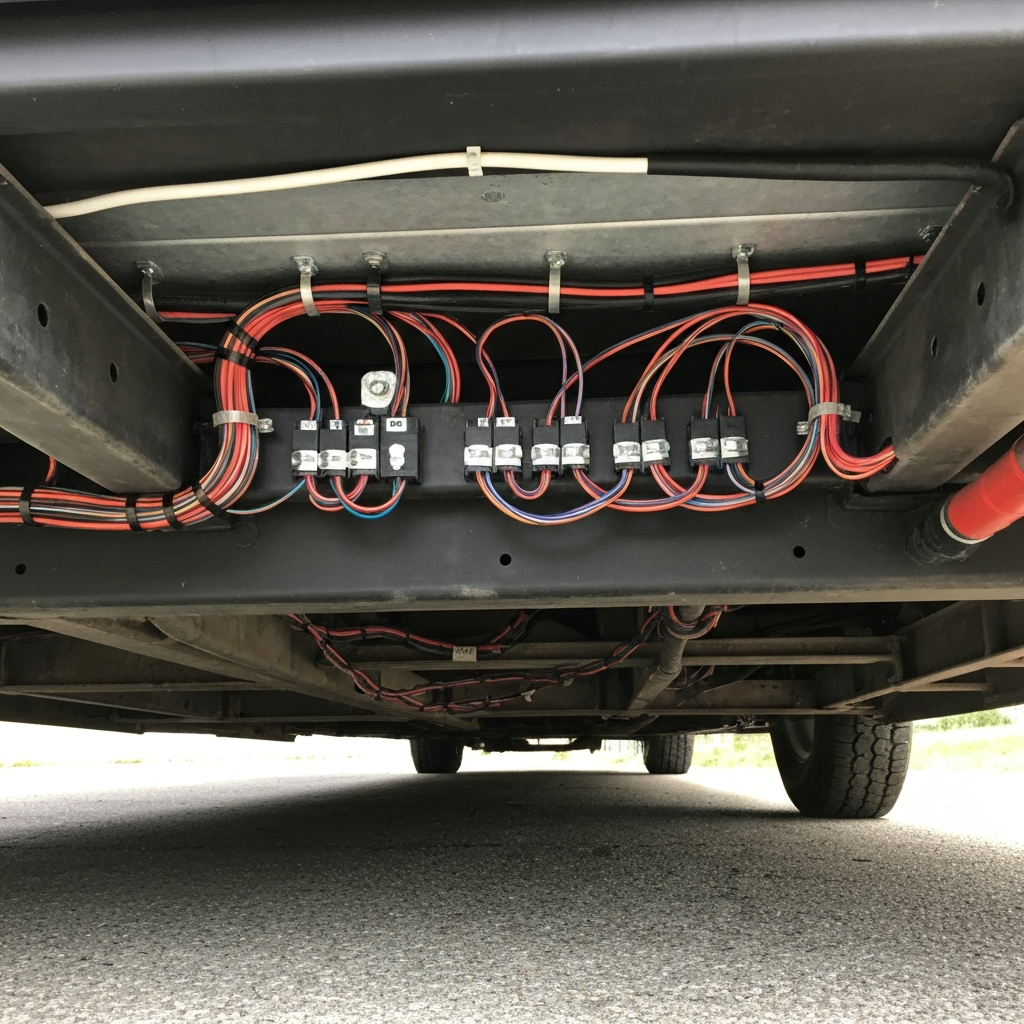
What sucks: “Scotchlok” taps, twist-and-tape splices, household wire nuts, and mystery Amazon wiring kits with grammar errors on the label. If it looks like it belongs in a toy, don’t put it in a vehicle that shakes at 60 mph.
Also: don’t mount electronics where they cook. Inverters, chargers, DC-DC units—they need airflow. Heat shortens lifespan. You don’t get points for “tucked away” if it’s tucked into an oven.
Roadside Readiness: Build a “Fix It Now” Kit
The best roadside kit is the one that handles the failures you actually see: dead batteries, blown fuses, loose terminals, tire leaks, and basic electrical gremlins.
Here’s my minimum viable “I can solve this” kit:
- Multimeter (a real one, not a novelty keychain)
- Assorted fuses (ATC/ATO, mini, plus any specialty sizes you run)
- Crimp tool + connectors + heat shrink
- Spare terminals and a few feet of correctly sized wire
- Tire repair kit (for tow vehicle) and a compressor that doesn’t wheeze
- Torque wrench (because “tight enough” is how studs die)
- Headlamp (your phone flashlight is cute until you need both hands)
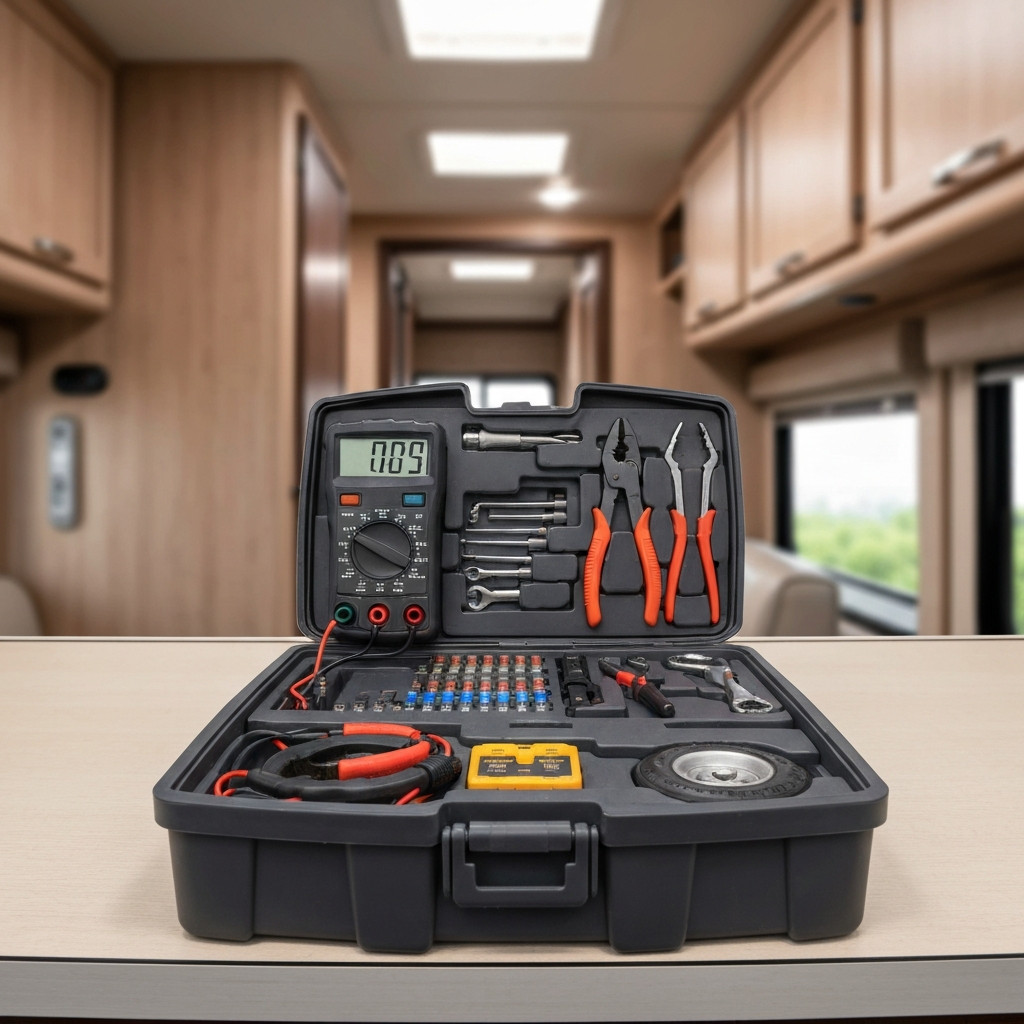
Pro move: practice using the kit at home. The shoulder of the highway is not the time to learn what “continuity” means.
If you want a clean pathway from “I have a problem” to “I know how to install and troubleshoot properly,” keep your install reference handy. This is the kind of guide you bookmark: RV inverter install steps and pitfalls to avoid.
Smart Upgrades for 2026 (Not TikTok Trash)
Now we can talk upgrades. But we’re doing it like adults: we upgrade to reduce risk, reduce hassle, or increase capability without adding fragile complexity.
Upgrades I’d actually spend money on:
- Electrical protection: RV surge protector (EMS) that detects wiring faults and bad campground power.
- Battery monitoring: shunt-based monitor that shows real current flow, not vague “four bars.”
- Quality inverter/charger: especially if you boondock and rely on 120V loads.
- TPMS with temperature and stable signal—because tire heat gives early warning.
- Better lighting and task illumination in bays and engine compartments.
Upgrades I side-eye hard: cheap “smart” gadgets that require three apps, a flaky hotspot, and constant firmware updates. If your core systems depend on cloud servers, you built yourself a tech support job, not a rig.
Also, stop buying “300-in-1 emergency tools.” They’re usually 297 ways to disappoint you.
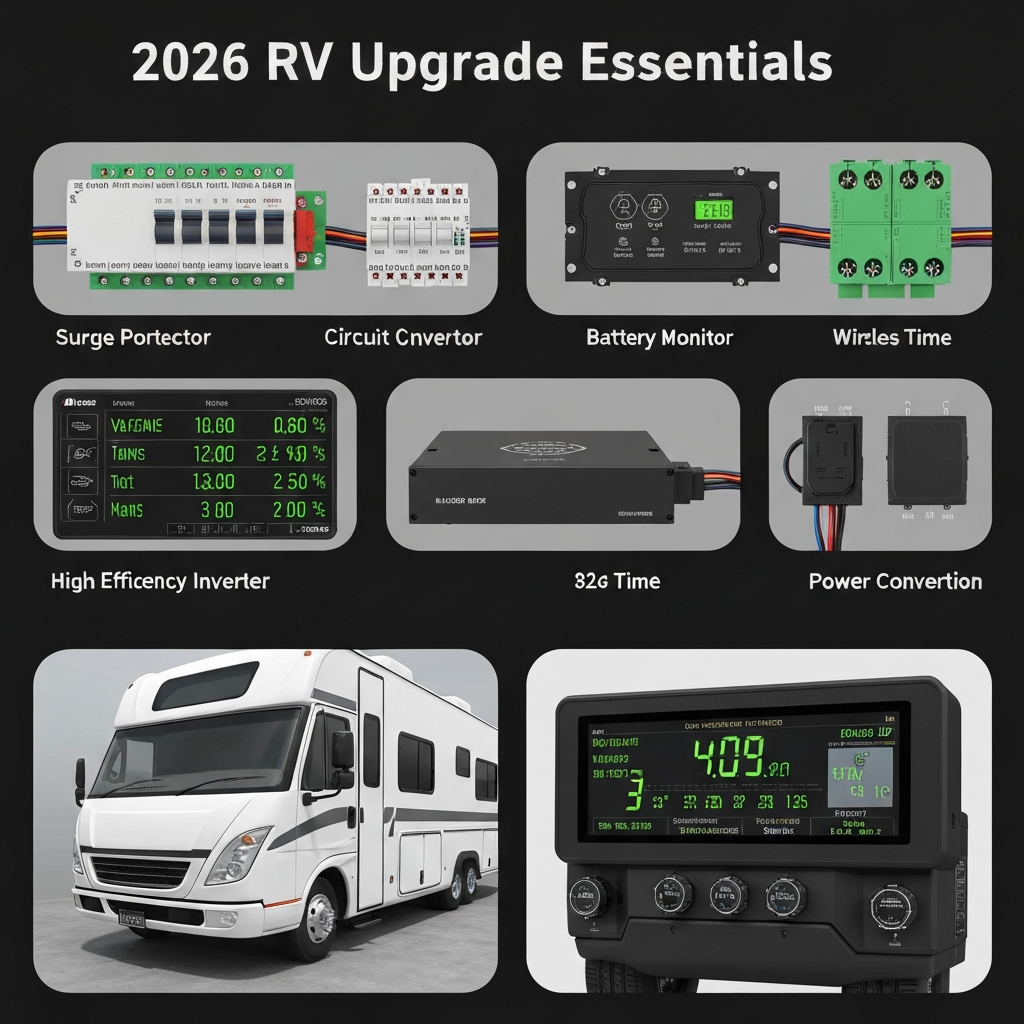
Bottom line: the best tech disappears into the background. It just works. If a device demands weekly attention, it’s not an upgrade—it’s a needy pet.
Frequently Asked Questions
What are the most important truck and RV upgrades for safety first?
Start with tires, brakes, and weight discipline, then protect your electrical system with proper fusing and surge protection. Safety upgrades beat comfort upgrades every single time, because you can’t “air-condition” your way out of a blowout.
Do I really need a pure sine wave inverter?
If you power sensitive electronics or anything with modern controls, yes. Modified sine wave units can cause heat, noise, and flaky behavior. If you only power simple resistive loads occasionally, you might get by—just don’t act surprised when it feels janky.
What’s the biggest mistake people make installing an RV power inverter?
They run skinny cables, skip correct fusing, mount the inverter too far from the batteries, and “ground” it to questionable points. That creates voltage drop, heat, nuisance shutdowns, and sometimes melted insulation. Follow a real install plan like this RV inverter installation guide.
How often should I check tire pressure on a truck or RV?
Check before travel days and after major temperature swings. Underinflation builds heat and increases blowout risk. A TPMS helps, but you still need manual checks and inspections. Reference: NHTSA tire safety.
What tools should I always keep for troubleshooting 12V problems on the road?
Bring a multimeter, fuses, crimpers, heat shrink, connectors, spare wire, and basic hand tools. Most 12V problems come from loose connections, bad grounds, or voltage drop. If you can measure voltage under load, you can solve a lot.
The Insider Takeaway
Here’s the truth: “Ultimate guides” don’t keep you rolling—boring discipline does. Manage weight. Respect tires and brakes. Build your electrical system like vibration exists (because it does). Install clean. Carry tools. Then spend your upgrade money on things that reduce risk, not add drama.
If you want to tighten up your DIY approach so your upgrades stay safe and tidy, lean on a proven workflow like these RV DIY installation guides. Your future self will sleep better.
Action step: before your next trip, do one serious thing: weigh your rig and inspect your tires. If you only do that, you’ve already outperformed most “experts” on the internet.
Now go enjoy the road. And if you install something with speaker wire and optimism, don’t tell me. I’m trying to have a peaceful evening.
Amazon Recommended Gear (Search Links)
These are practical, high-ROI items that support the playbook above. Use the search links so you can pick the current best option (and avoid dead listings).
Electrical & Power Essentials
- Pure sine wave inverter (right-sized for your real loads)
- Class T or ANL fuse + holder (correctly rated for your inverter feed)
- Battery monitor shunt kit (for real-time current tracking)
- RV surge protector / EMS (protects against bad pedestal power)
- Digital multimeter (roadside diagnostics)
Tires, Safety & Roadside
- TPMS for RV and towing (with temperature monitoring)
- Torque wrench (lug nuts done right)
- Portable air compressor (not a toy)
- Tire repair kit (tow vehicle use)
Install Quality Upgrades
- Heat shrink crimp connectors (marine-grade)
- Ratcheting crimp tool (consistent crimps)
- Split loom + clamps (wire protection and support)
- Label maker (yes, seriously)
As an Amazon Associate, I earn from qualifying purchases.