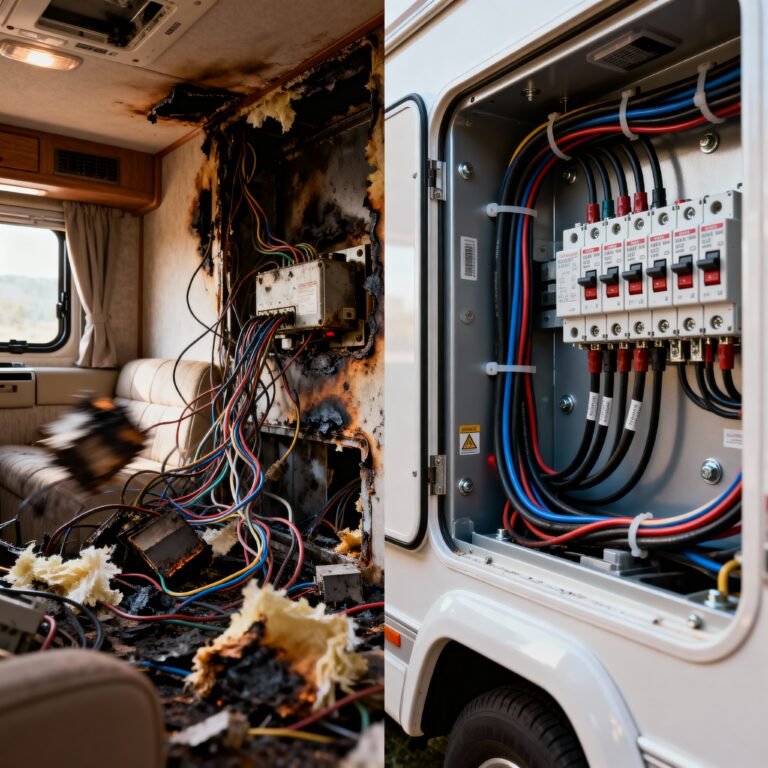
Want to power your RV with solar but worried it’s too complicated? Spoiler: It’s not. With the right tools and a little patience, you’ll be soaking up the sun’s free energy in no time. Let’s break it down—no jargon, no fluff.
1. Gather Your Tools (No, You Don’t Need a Ph.D.)
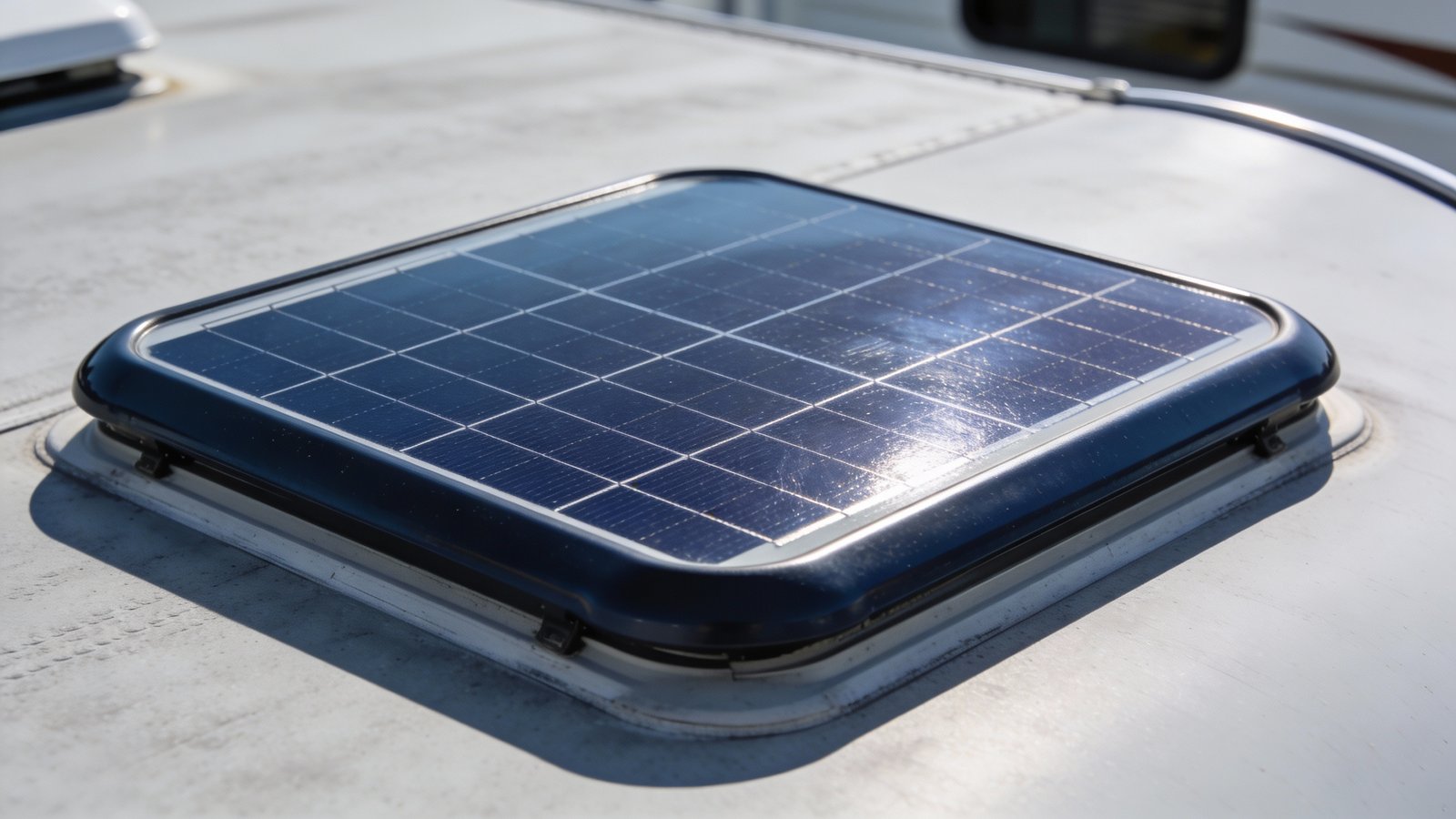
First things first: You’ll need some basic gear. Here’s the no-nonsense list:
- Solar panels (duh)—monocrystalline panels are IMO the best for RVs because they’re efficient and lightweight.
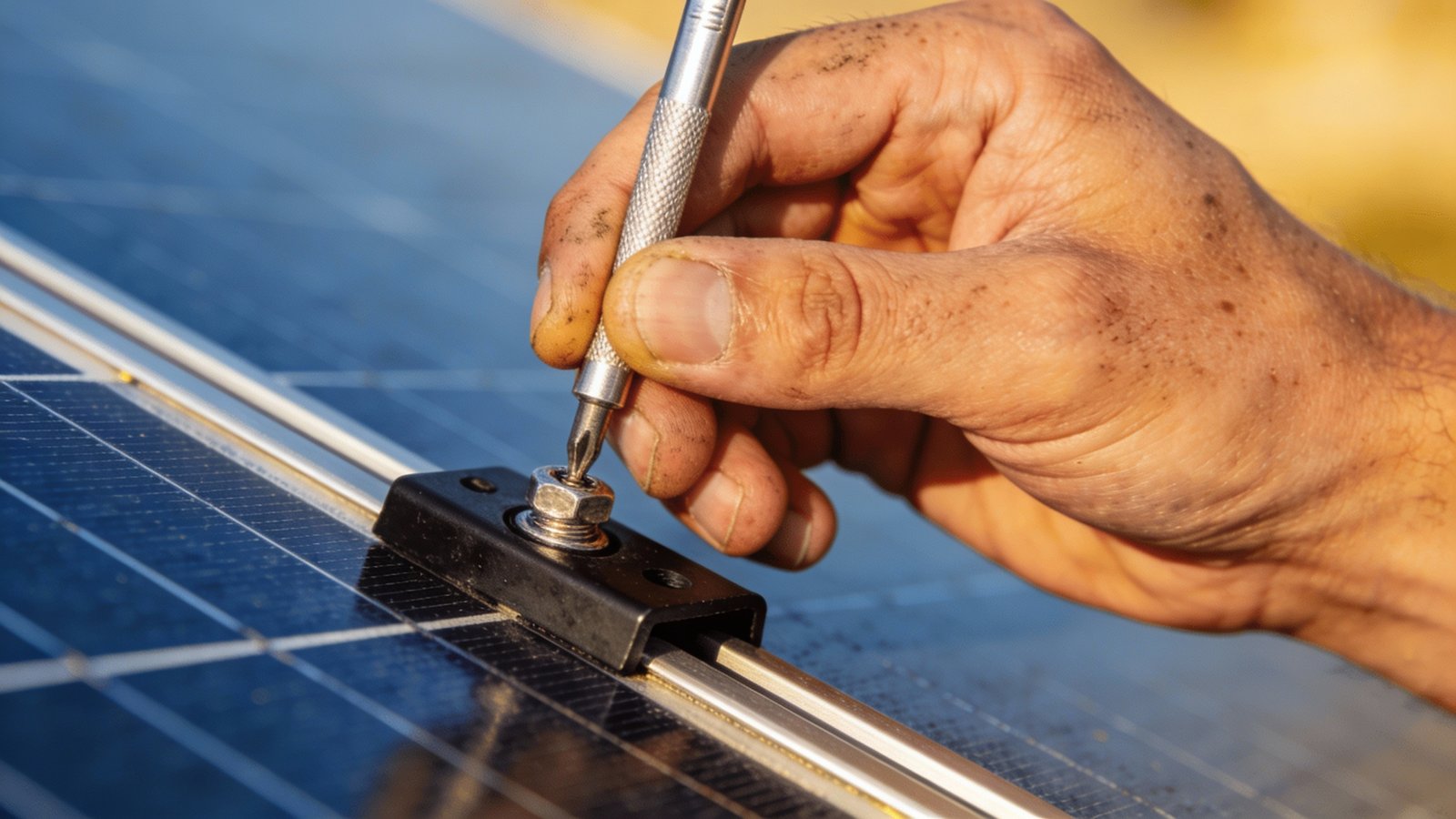
- Mounting brackets to secure panels to your roof (don’t wing this—unless you enjoy flying solar panels).
- Charge controller to prevent battery overload (think of it as your battery’s bodyguard).
- Inverter to convert solar power into usable AC electricity (because your blender won’t run on DC).
- Wiring and connectors—get the right gauge for your setup. The U.S. Department of Energy has a great guide on sizing wires.
Pro Tip: Don’t Cheap Out
Skimping on components will bite you later. Invest in quality panels and a reliable charge controller—your future self will thank you when you’re not stranded with a dead battery. Check our guides.
2. Plan Your Panel Layout (Measure Twice, Drill Once)
Before you start drilling holes in your roof, map out where the panels will go. Consider:
- Sun exposure: Avoid shadows from vents or AC units—shade kills efficiency.
- Weight distribution: Don’t put all panels on one side unless you enjoy driving like a seesaw.
- Roof obstructions: Work around antennas or skylights. Use RVIA’s guidelines for safe spacing.
3. Mount the Panels (This Is Where the Magic Happens)
Time to get hands-on. Follow these steps:
- Clean your roof—dirt = bad adhesion. Use rubbing alcohol for a grease-free surface.
- Attach mounting brackets with sealant to prevent leaks (because water damage isn’t a vibe).
- Secure the panels to the brackets, but don’t overtighten—cracked panels are a sad sight.
Dealing With Curved Roofs?
If your RV roof isn’t flat, use flexible panels or adjustable mounts. FYI, Renogy makes great bendable options for tricky roofs.
4. Wire It Up (Channel Your Inner Electrician)
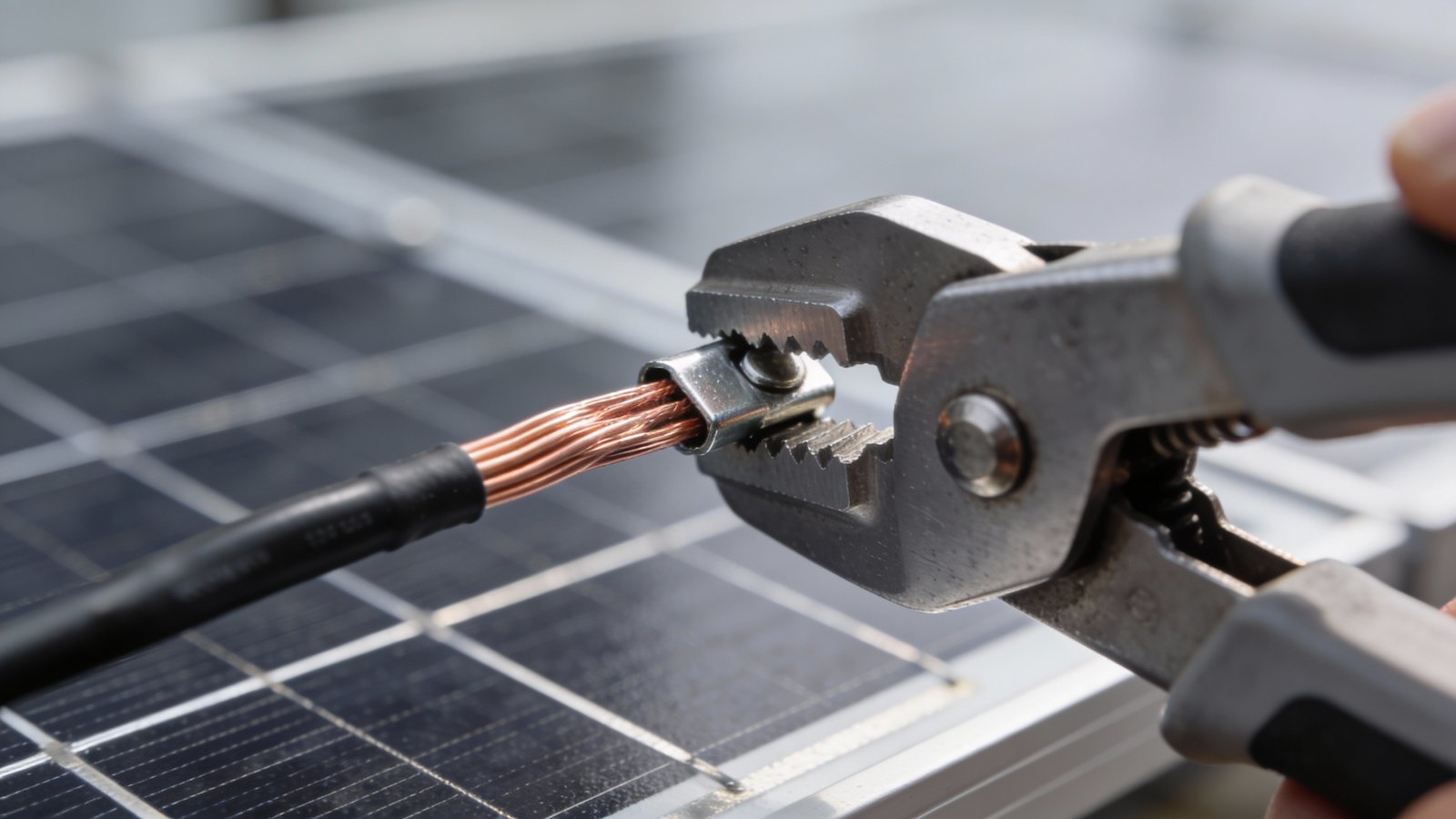
Wiring isn’t as scary as it sounds. Here’s the cheat sheet:
- Connect panels to the charge controller (positive to positive, negative to negative—mix them up and things get spicy).
- Link the charge controller to your batteries. Check the manual for voltage settings.
- Hook the inverter to the batteries if you need AC power. Boom—you’ve just built a mini power plant.
5. Test the System (Celebrate With Cold Beer)
Before you crack open that victory drink, test your setup:
- Check voltage with a multimeter—panels should show power in sunlight.
- Monitor battery charging via the controller’s display (if it’s rising, you’re winning).
- Plug in a small device (like a phone charger) to confirm the inverter works.
Congrats! You’ve officially joined the solar RV club. Now go boondock like a boss.
FAQs
How many solar panels do I need for my RV?
It depends on your power usage. A 100W panel can run lights and a fridge, but if you’re running AC, you’ll need 300W+. Use the NREL’s solar calculator to estimate.
Can I install solar panels myself?
Absolutely! If you can follow instructions and use a drill, you’re golden. Just take safety precautions (no bare wires, folks).
Will solar panels work in cloudy weather?
Yes, but at reduced efficiency. Think of clouds like a dimmer switch—you’ll still get power, just less of it.
How long do RV solar panels last?
Most last 25+ years, but your charge controller and batteries will need replacing sooner (typically every 5-10 years).
Go Forth and Solarize
Installing RV solar panels isn’t rocket science—it’s just about taking it step by step. Now that you’re armed with knowledge, get out there and harness the sun’s free energy. And hey, if you hit a snag, just remember: even solar pros started somewhere. Happy travels!