If you think truck safety systems are just about stopping you from hitting the guy in front of you, you’re missing half the story—and probably losing money. Whether you’re a fleet manager trying to lower insurance premiums or an owner-operator tired of your dashboard lighting up like a Christmas tree every time you pass a bridge, understanding this tech is no longer optional.
Here’s the truth: Modern heavy-duty trucks are becoming rolling computers. While systems like Bendix Wingman Fusion or Wabco OnGuard can save lives, they also introduce a layer of complexity (and annoyance) that old-school drivers despise. This guide cuts through the brochure talk to explain what actually works, what’s a headache, and how to keep it all running.
Table of Contents
What Are Commercial Truck Safety Systems?
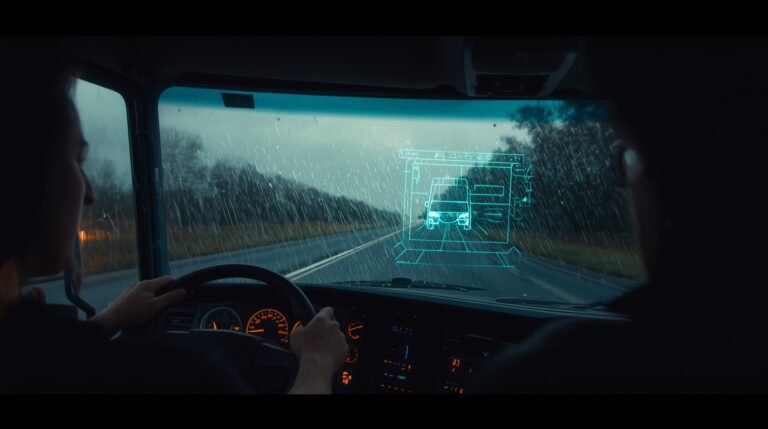
Truck safety systems, often grouped under the umbrella of Advanced Driver Assistance Systems (ADAS), are an integrated network of sensors, radar, and cameras designed to monitor a commercial vehicle’s surroundings and intervene during dangerous situations. They include collision mitigation, lane departure warnings, stability control, and blind-spot monitoring to reduce the severity of accidents or prevent them entirely.
Fast forward to 2025, and this isn’t just about seatbelts anymore. We are talking about LIDAR, radar fusion, and AI that analyzes driver eye movement. The goal is simple: physics always wins in a crash involving 80,000 lbs, so the tech tries to cheat physics by reacting faster than a human can.
However, implementation is messy. Different OEMs (Original Equipment Manufacturers) like Freightliner (Detroit Assurance), Volvo (VADA), and Kenworth (Bendix) all use proprietary tweaks that make standardization a nightmare for mixed fleets.
Active vs. Passive: The Critical Difference
To understand what you’re buying or driving, you have to split these systems into two camps: the “nags” and the “doers.”
Passive Systems (The Nags)
Passive systems only warn you. They beep, buzz, or vibrate the seat (the famous “haptic shaker”) when you screw up.
- Lane Departure Warning (LDW): Uses a camera to read road lines. If you drift without a turn signal, it screams at you.
- Blind Spot Monitoring: A radar on the side fairing detects cars in the “no-zone” and lights up an LED on the A-pillar.
- Traffic Sign Recognition: Reads speed limit signs and flashes them on the dash.
Active Systems (The Doers)
Active systems take control of the truck. This is where the controversy starts.
- Active Brake Assist (ABA): Slams the brakes if the radar sees a stopped car (or sometimes a ghost) ahead.
- Adaptive Cruise Control (ACC): Maintains a set following distance, de-throttling or braking to keep that 3.5-second gap.
- Lane Keep Assist (LKA): Physically steers the wheel to nudge you back into the lane.
For a deeper look at the broad spectrum of these technologies, check out our guide on comprehensive truck and RV safety systems.
Collision Mitigation & The “Phantom” Problem

If you talk to any veteran driver about truck safety systems, the conversation will eventually turn to “phantom braking.” This happens when the collision mitigation system (CMS) confuses an overhead sign, a bridge shadow, or a metal plate on the road for a stopped vehicle.
The system panics and applies 100% braking power. In the best case, the driver spills their coffee. In the worst case, the load shifts or the tailgater behind you slams into the DOT bumper.
The Insider Reality: Newer systems like the Bendix Wingman Fusion use “sensor fusion”—combining camera data with radar data—to cross-reference threats. If the radar sees a metallic object but the camera sees an open road and a bridge, it shouldn’t brake. But older, radar-only systems (like early Wabco OnGuard units) are notorious for false positives. If you are buying used fleet trucks, check which generation of CMS is installed.
The “Big Brother” Tech: Dash Cams & DMS

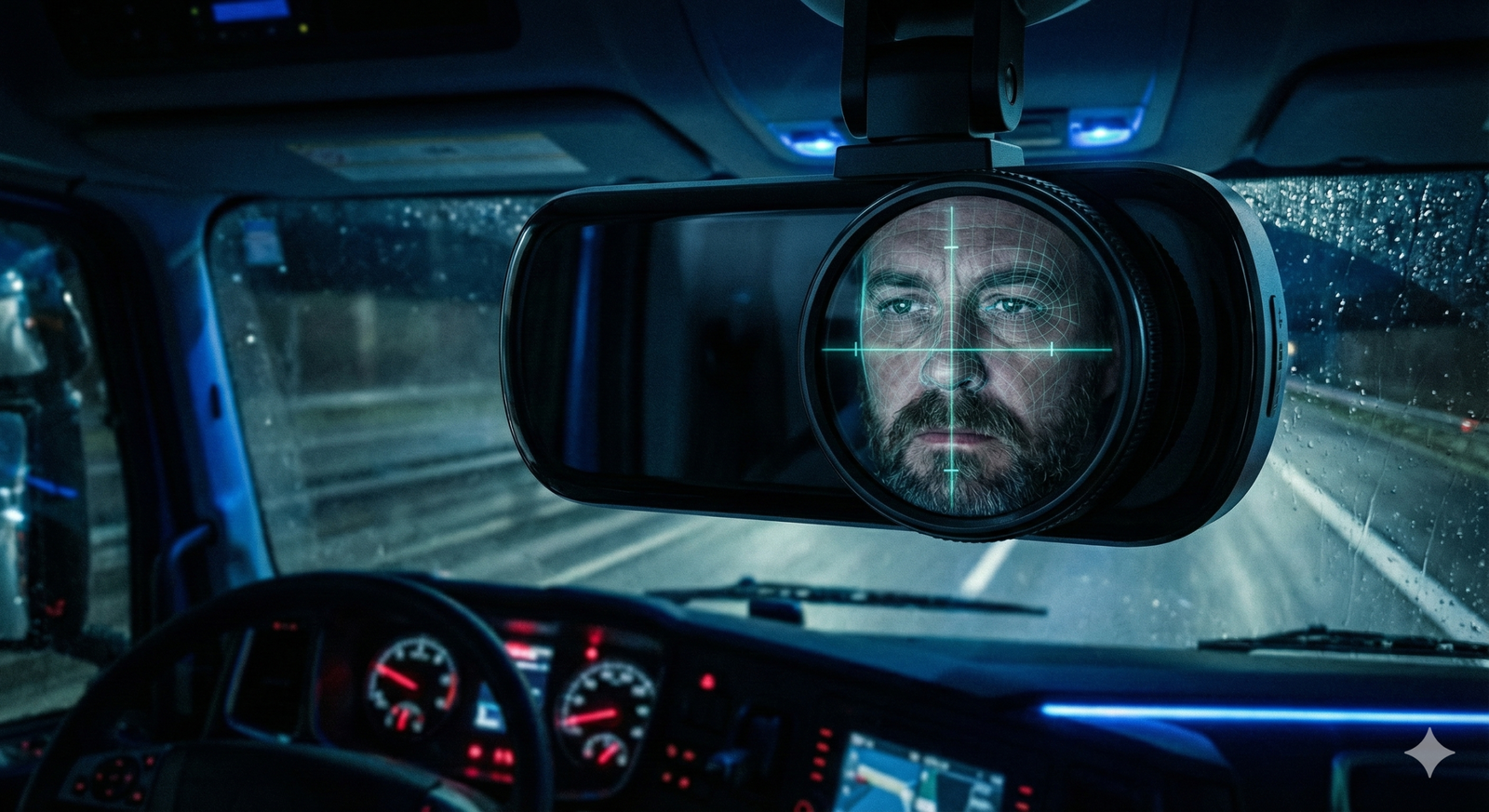
The most hated acronym in trucking might be DMS (Driver Monitoring Systems). These are inward-facing cameras that use AI to watch the driver’s face.
They track:
- Gaze detection: Are you looking at your phone or the road?
- Eyelid closure: Are you falling asleep?
- Smoking/Eating: Yes, some fleets flag this.
The problem is the lack of context. A driver might be checking a mirror, but the AI thinks they are distracted. However, for legal protection, outward-facing dash cams are non-negotiable. According to the FMCSA and industry crash data, in 80% of car-truck accidents, the passenger car is at fault. A high-quality dash cam is your only witness when a lawyer comes knocking.
Installation & The Power Problem
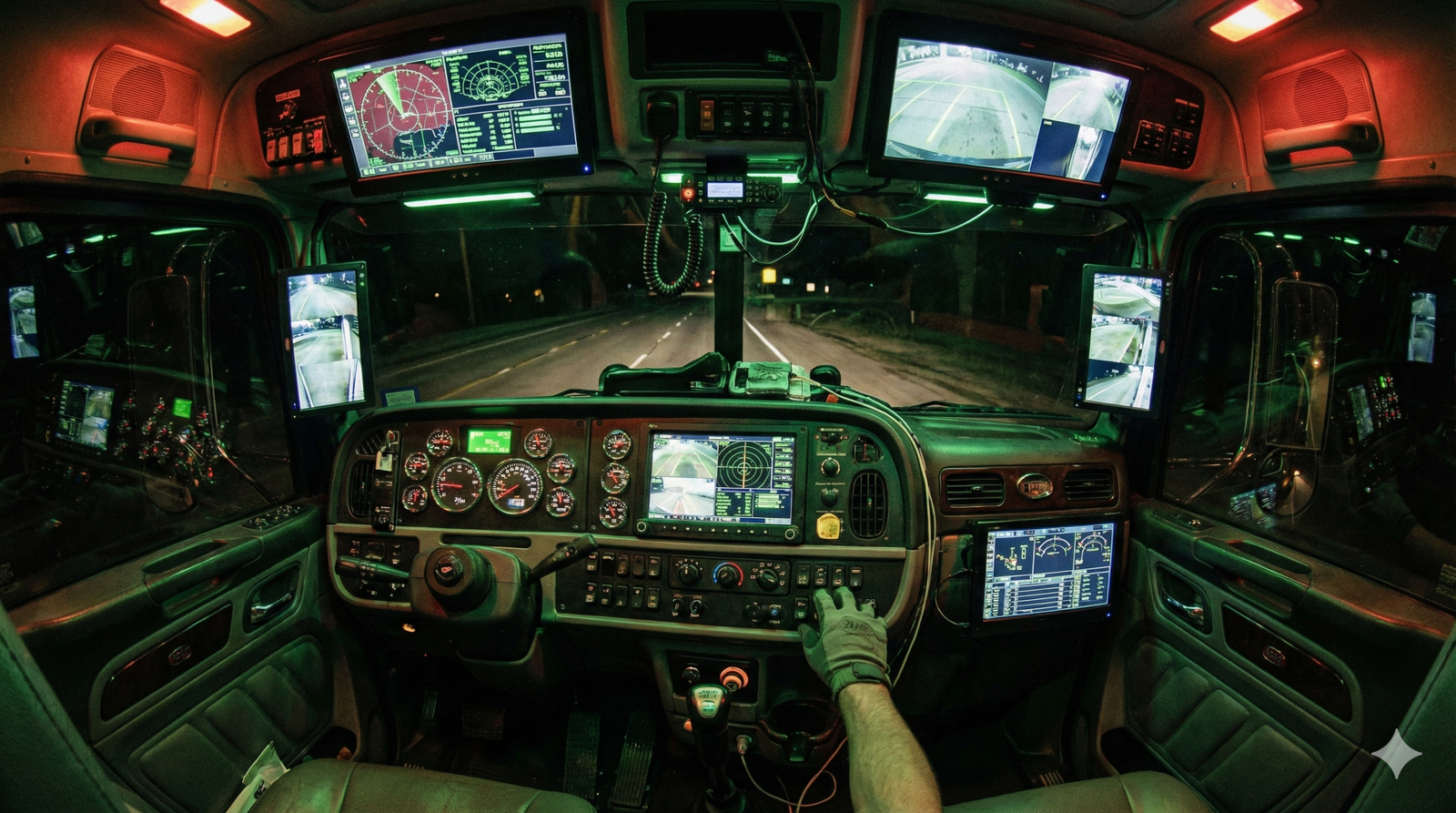
Here is something most brochures won’t tell you: these safety systems are power hogs. A modern truck cab has radar heaters (to melt snow on the sensor), camera processors, ELDs, and telematics gateways all pulling amps.
If you are retrofitting aftermarket safety gear—like a 4-camera blind spot system—you cannot just tap into the cigarette lighter. You need clean, dedicated power. Voltage drops can cause sensors to recalibrate or fail mid-drive, throwing error codes that derate the engine.
Many drivers also run personal electronics (microwaves, gaming laptops, CPAP machines) that compete for this power. If you are adding heavy-duty electronics, you need to ensure your inverter setup is robust enough to handle the load without frying your ECU. Before you start wiring, read our tutorial on how to properly install a power inverter to keep your voltage stable.
Maintenance: Why Sensors Fail
Bottom line: Safety systems are high-maintenance. A radar sensor on the front bumper is essentially in the “line of fire” for rocks, road salt, and bugs.
Common Failure Points:
- Misalignment: A minor fender bender in a parking lot can knock a radar sensor off by 1 degree. That 1 degree means the truck thinks a car in the next lane is directly in front of you.
- obstruction: Snow and ice buildup is the enemy. While many sensors have heaters, they often can’t keep up with a heavy blizzard. If the “Radar Blocked” light comes on, the system defaults to passive mode (no auto-braking).
- Windshield Replacement: If you crack a windshield, you can’t just slap a new piece of glass in. The forward-facing camera (LDW) must be recalibrated to the new glass, which often requires dealer software.
The NHTSA has noted that improper calibration is a leading cause of ADAS malfunction. Don’t skip the shop visit if your bumper takes a hit.
The Insider Takeaway
Look, truck safety systems aren’t going anywhere. The insurance companies love them, and the fleets love the data. The trick is to stop fighting the tech and start managing it. If you’re a driver, learn the “override” protocols for your specific truck to prevent phantom braking on icy roads. If you’re an owner, invest in the “Fusion” style tech (camera + radar) to minimize the headaches.
Your Next Move: Go check your radar alignment today. If that sensor looks like it’s pointing at the sky or the ground, you’re driving a 40-ton liability, not a safety machine.
Stay safe, keep the shiny side up, and try not to let the robot drive the truck too much.
As an Amazon Associate, I earn from qualifying purchases.