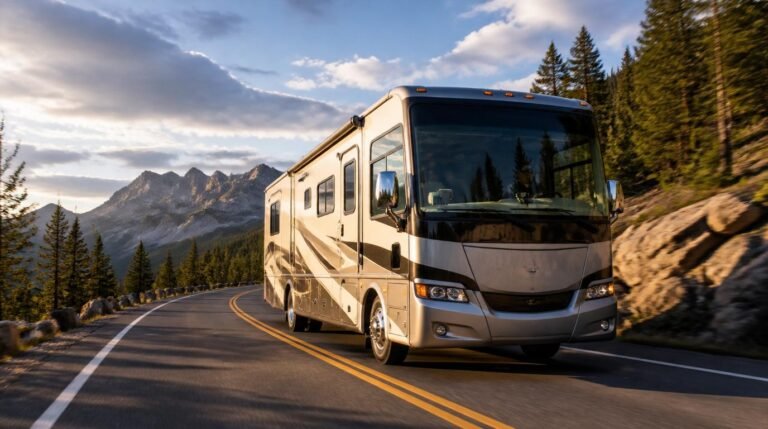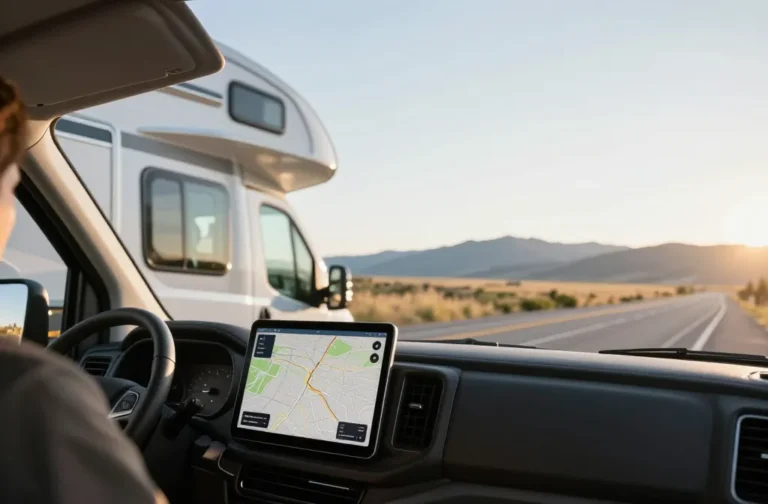
Safe RV Routes don’t happen by accident. They happen because you plan like you actually care about your roof, your brakes, and your sanity.
The problem is most people “plan” by typing a destination into a phone map and hoping the universe respects their RV’s height, weight, and turning radius. Spoiler: the universe does not.
Here’s the truth: one bad turn can put you under a low bridge, onto a grade that cooks your transmission, or into a sketchy fuel gap that turns your “road trip” into a survival documentary.
Table of Contents
- The 10-minute method that works
- Know your numbers (height/weight/length) or pay later
- Why phone maps get RVs into trouble
- Build the route around the big hazards
- Validate the route like a paranoid engineer
- Driving behaviors that keep “safe” routes safe
- Gear that actually earns its keep
- Frequently Asked Questions
- Insider takeaway
The 10-minute method that works
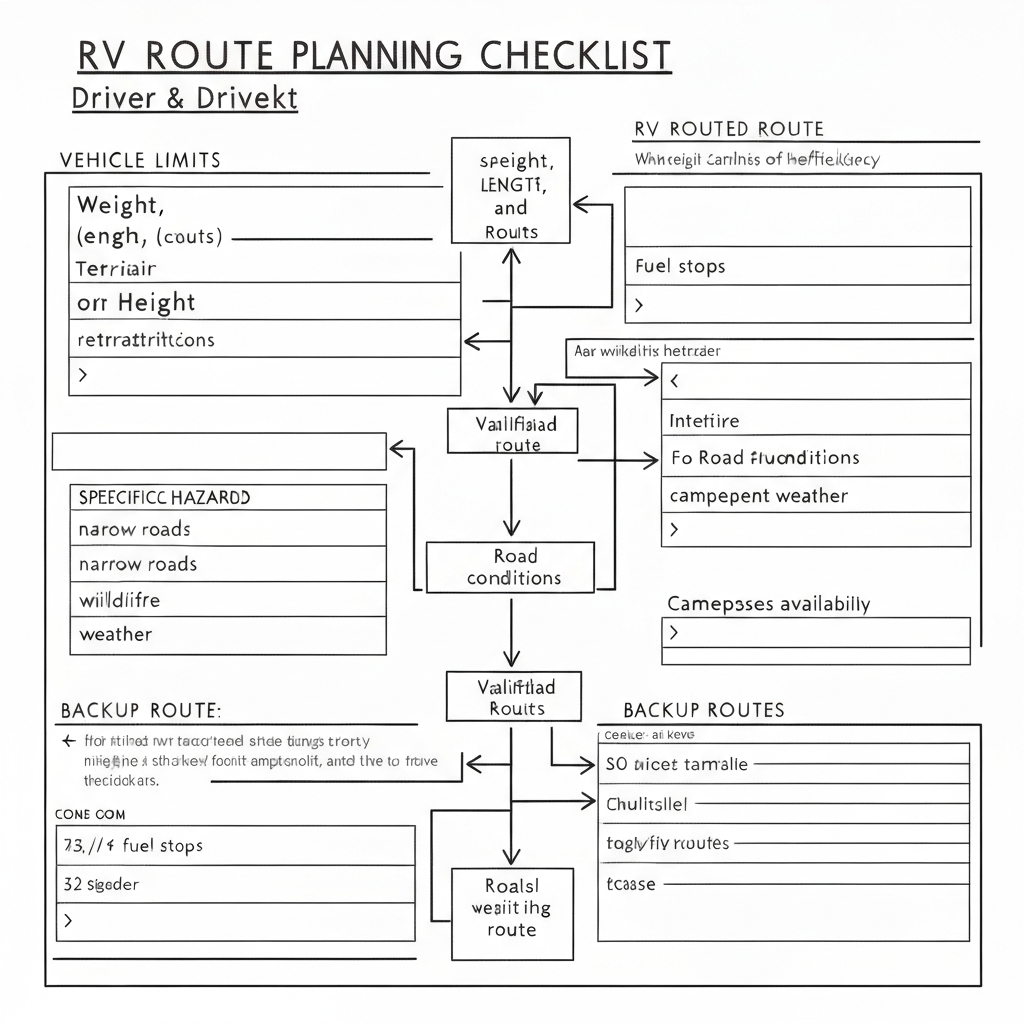
Plan Safe RV Routes by locking in your rig limits (height/weight/length), routing with an RV-capable navigator, filtering out low clearances and ugly grades, then validating the “last mile” with satellite/street view and a backup option. Do that consistently and you’ll avoid most RV disasters without turning planning into a second job.
Fast forward to the real world: you’re not trying to create the perfect route. You’re trying to avoid the expensive route.
- Write down your hard limits: actual height (with AC), weight, length, propane rules, and your personal comfort level for grades.
- Route with RV-aware tools: not generic car routing. If you want the deep version, read this: RV GPS guide that explains why phone maps fail.
- Pick the “boring” main corridor: major highways beat scenic shortcuts when you’re moving a rolling apartment.
- Scan for red flags: low clearances, long steep grades, tight urban turns, ferry rules, tunnels, propane restrictions.
- Validate the last 5–10 miles: this is where RVs get hurt. (No, I’m not being dramatic. This is where the low bridge lives.)
- Create a Plan B: closures, wind, snow, or “surprise” construction will happen. Your route should survive reality.
Know your numbers (height/weight/length) or pay later
Bottom line: your RV doesn’t care what the brochure said. It cares what it measures today, loaded, with stuff on the roof.
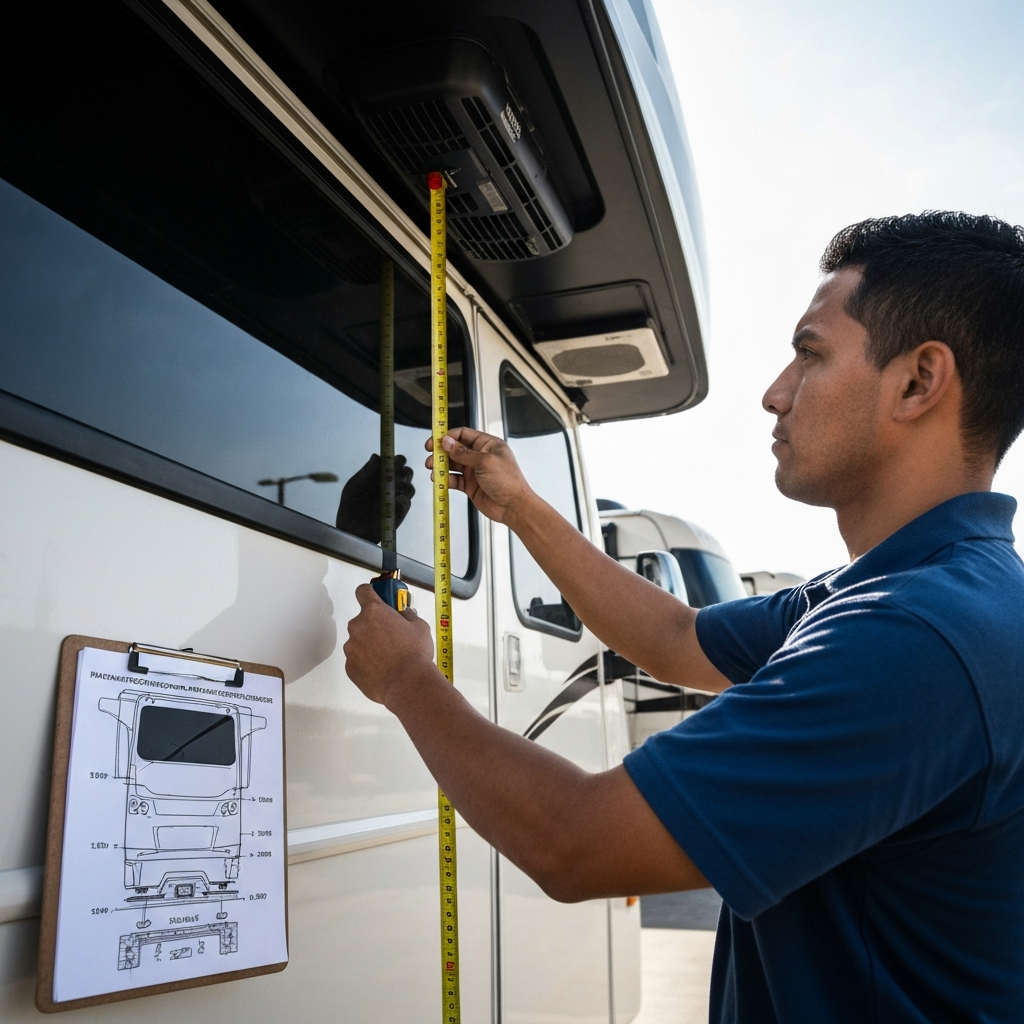
Your height is the killer number. Add rooftop AC, solar, Starlink, a ladder rack—whatever—you just created a bridge-strike lottery ticket.
- Measure real height: from ground to highest point, on level ground, fully loaded.
- Record it in feet/inches: put a label on the dash. Make it idiot-proof (because future-you gets tired).
- Know weight and axle load: route safety isn’t just bridges—some roads hate heavy rigs, and some towns enforce it.
Quick reality check: even the Interstate system has minimum vertical clearance rules and exceptions. Federal Highway Administration design guidance commonly targets not less than about 14 feet on many Interstate urban routes, with at least one urban routing aiming for around 16 feet, but that doesn’t mean every structure everywhere hits the same value. Read the source, not the Facebook comment section: FHWA vertical clearance design standards.
And if you’re towing or running oversized, route legality gets complicated fast. The National Network and routing policies for larger vehicles live in federal regs like 23 CFR Part 658. You don’t need to memorize it—you need to respect that “shortcuts” can become “tickets.”
Why phone maps get RVs into trouble
Phone maps are great at one thing: getting a sedan to a Starbucks.
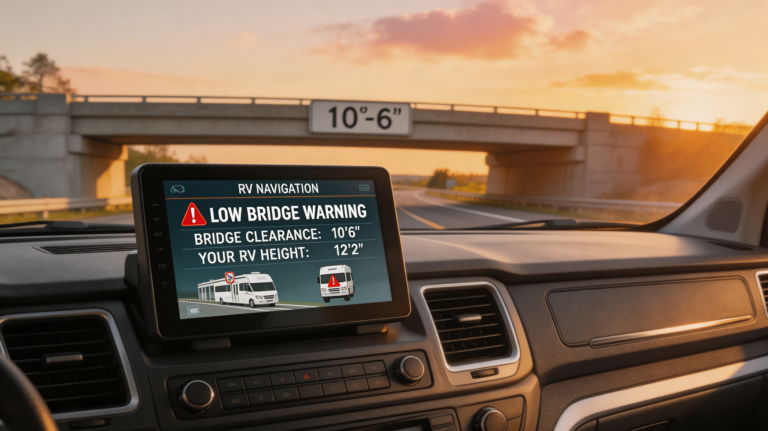
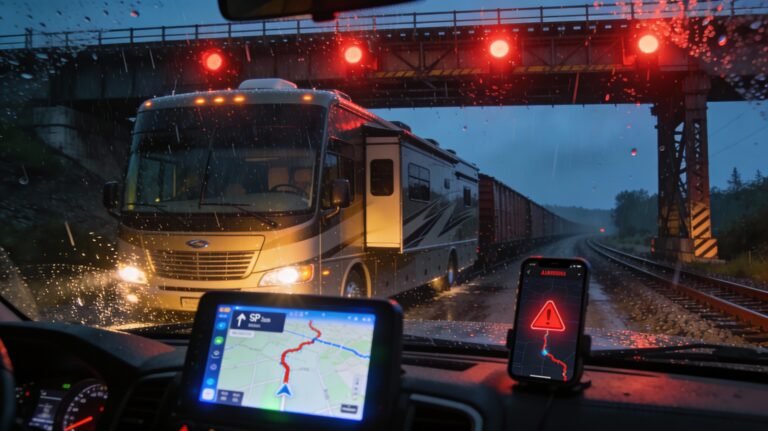
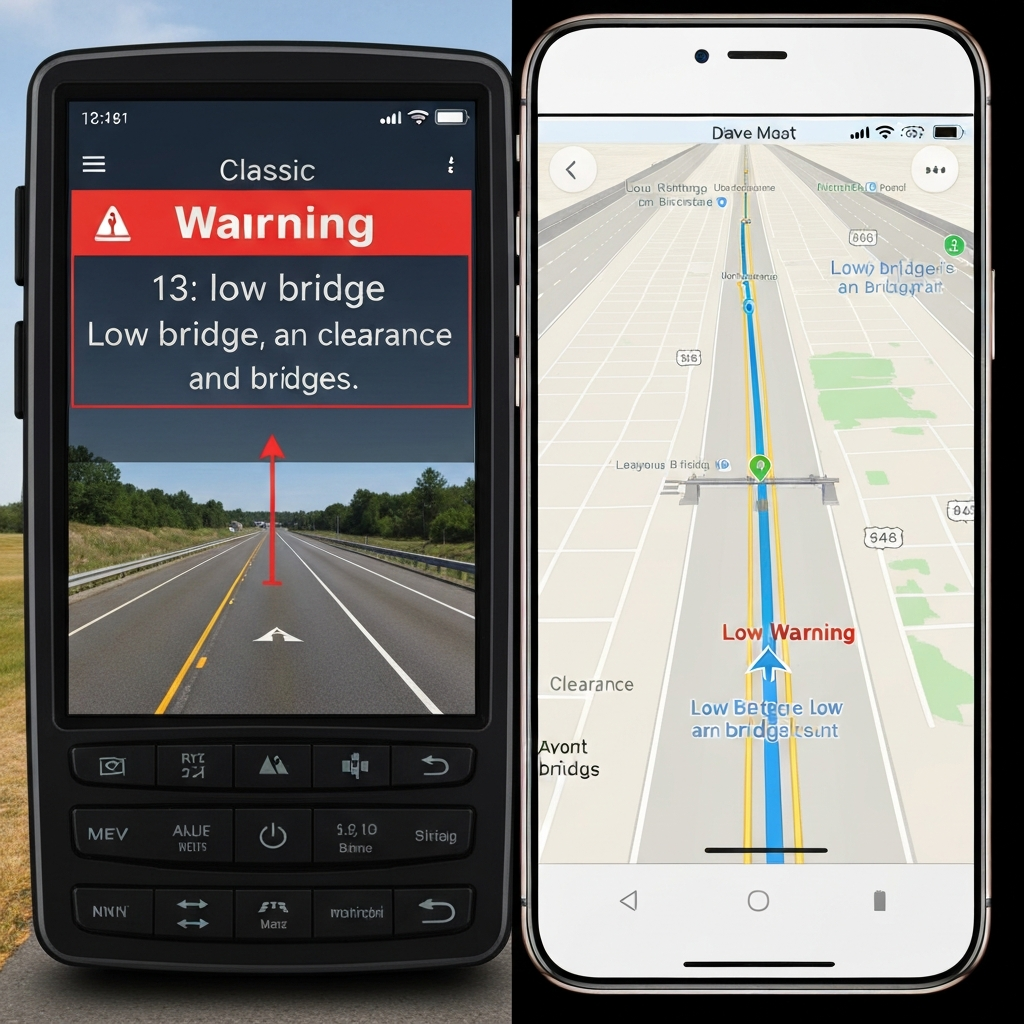
They’re also great at routing your 12-foot-tall RV under an 11-foot bridge because the app sees “road” and thinks “car.” That’s not a feature. That’s negligence with a friendly interface.
Safe RV Routes require hard constraints. Height, weight, length, tunnel rules, propane restrictions, and “do not take this road unless you enjoy panic.” Phone maps don’t reliably model those constraints.
If you want a practical breakdown of what to use instead (and what to stop doing immediately), I wrote it out here: stop trusting phone maps blindly (RV GPS guide).
Build the route around the big hazards
Here’s the truth: most “RV route disasters” come from four predictable categories.
So plan around them.
1) Low clearances (bridges, canopies, random town overpasses)
Rule: if your rig is tall, you route tall. That means you pick RV/truck-aware routing and still validate the last mile.
Don’t forget non-bridge hazards: fuel station canopies, campground entrances, old rail bridges, and weird utility crossings. Those don’t show up in your “fastest route” fantasy.
2) Steep grades (power up, brake down)
Grades aren’t scary because they exist. They’re scary because they’re long, steep, and followed by a descent that turns your brakes into an expensive smell.
- Prefer fewer sustained climbs: a slightly longer route on gentler grades beats white-knuckle mountain shortcuts.
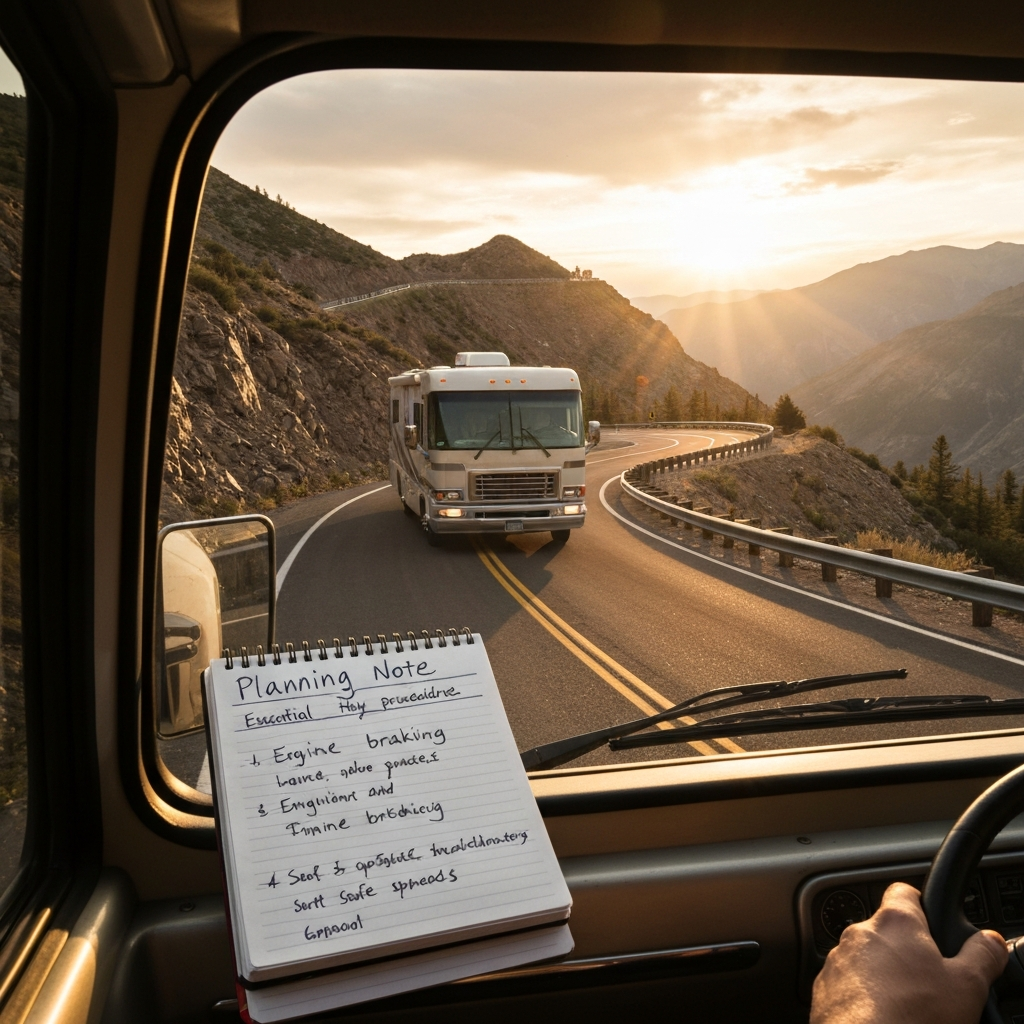
- Plan descent strategy: engine braking/exhaust braking if you have it, downshift early, and keep speed boring.
- Heat kills: watch coolant and transmission temps. If you don’t know your normal numbers, you’ll miss the warning signs.
3) Weather and wind (the silent route-wrecker)
High-profile RVs and trailers hate crosswinds. Snow and ice hate everyone.
Build a weather gate: if wind, snow, or heavy rain crosses your threshold, you take the alternate corridor or you sit. Pride isn’t a routing strategy.
4) Fuel range and services (especially remote stretches)
Fuel planning is route safety. Running low forces bad decisions.
Set a conservative “must refuel by” rule (for example: refill at half tank in remote areas) and plan stops where you can actually fit without playing bumper cars.
Validate the route like a paranoid engineer
Most routing tools get you 90% there.
The last 10% is where your RV gets hurt.
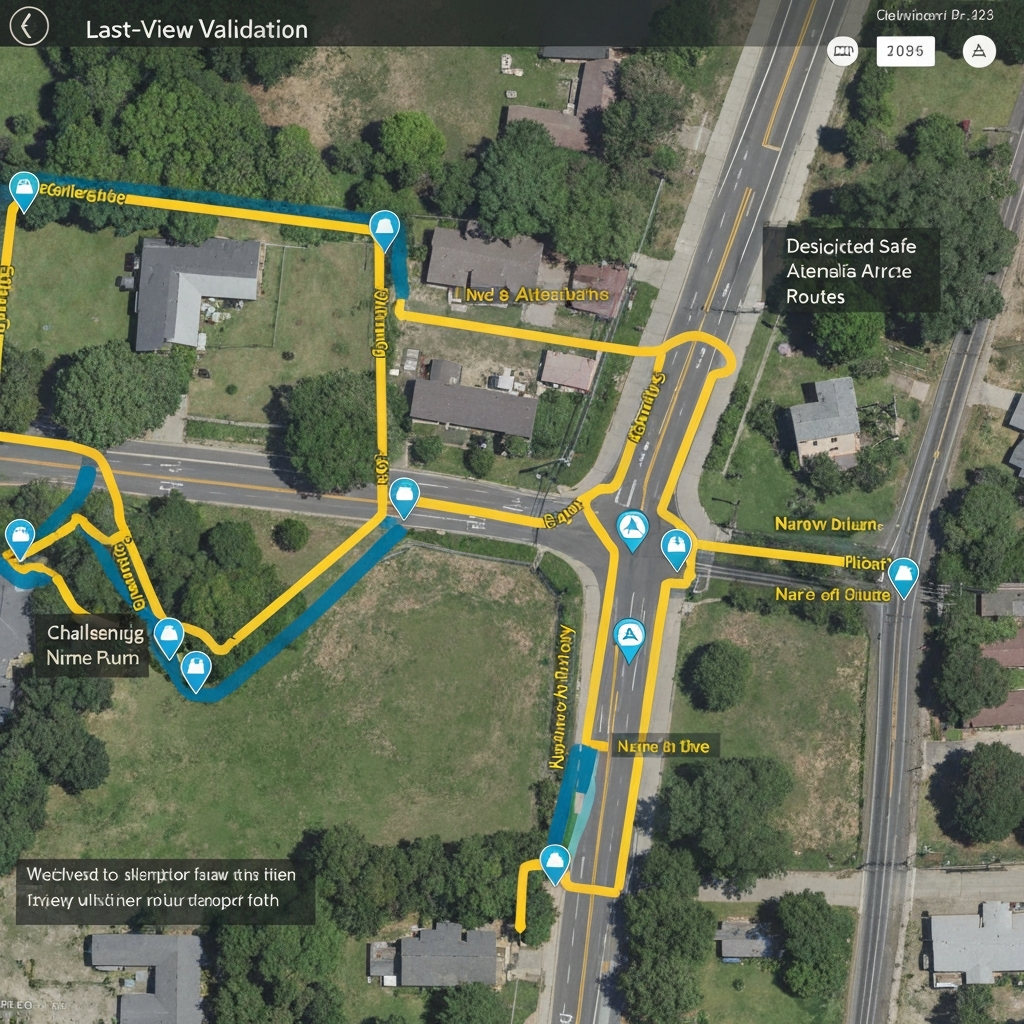
Validation is simple: you confirm the ugly parts with visuals and backup options.
- Satellite view: check tight turns, odd intersections, and fuel station layouts.
- Street-level imagery: look for clearance signage, narrow lanes, and “no trucks/RVs” hints.
- Campground access: the entrance road matters more than the campground brochure.
- Urban delivery-style mess: avoid squeezing into dense city cores unless you enjoy stress as a hobby.
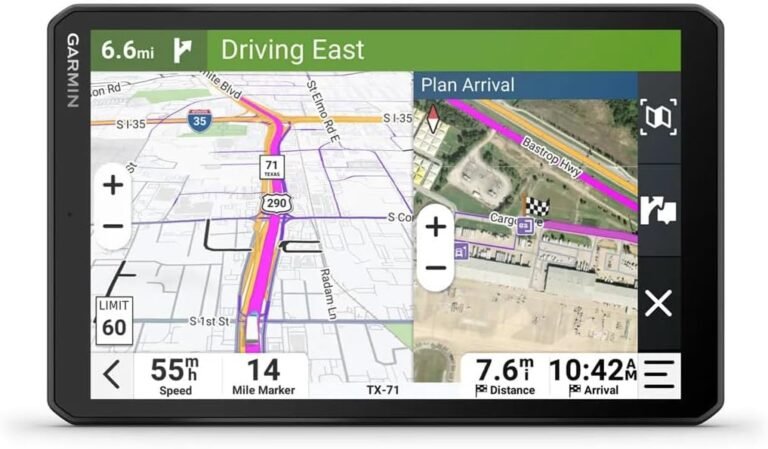
If you’re debating dedicated navigation hardware, screen size, and what actually works in the cab, this comparison breaks it down without the marketing fog: Garmin dēzl OTR720 vs OTR820 vs OTR1020 sizing guide.
Driving behaviors that keep “safe” routes safe
You can plan a perfect route and still wreck it with bad driving.
Space and speed control are your real safety systems. Your brakes and tires can’t negotiate with momentum.
- Increase following distance: RV stopping distances and reaction time are not car-level. Drive like you know that.
- Slow down before the problem: curves, exits, descents. Don’t “fix it later.” Later is when you slide.
- Manage fatigue: tired drivers make “creative” choices, like missing a turn and taking the next road that looks fine (it isn’t).
If you want one sobering statistic to keep your ego in check: overall U.S. traffic fatality rates still land around ~1.17 fatalities per 100 million vehicle miles traveled in early 2024 estimates. That’s not RV-specific, but it’s a reminder that the road doesn’t forgive. Source: NHTSA Crash Stats (early estimates).
Also: stop “making up time.” You don’t make up time in an RV. You just trade time for risk.
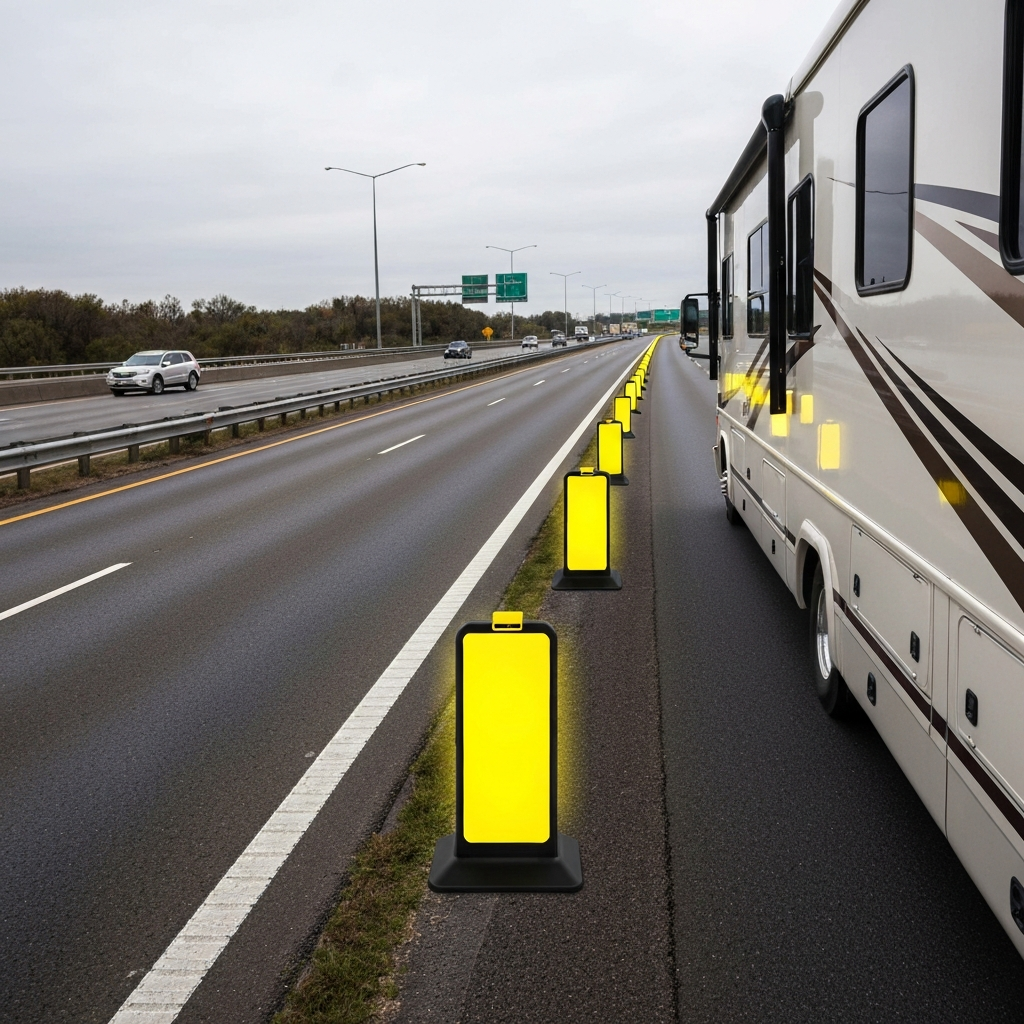
Gear that actually earns its keep
Let’s be blunt: some “RV safety gear” is just shiny clutter.
These aren’t.
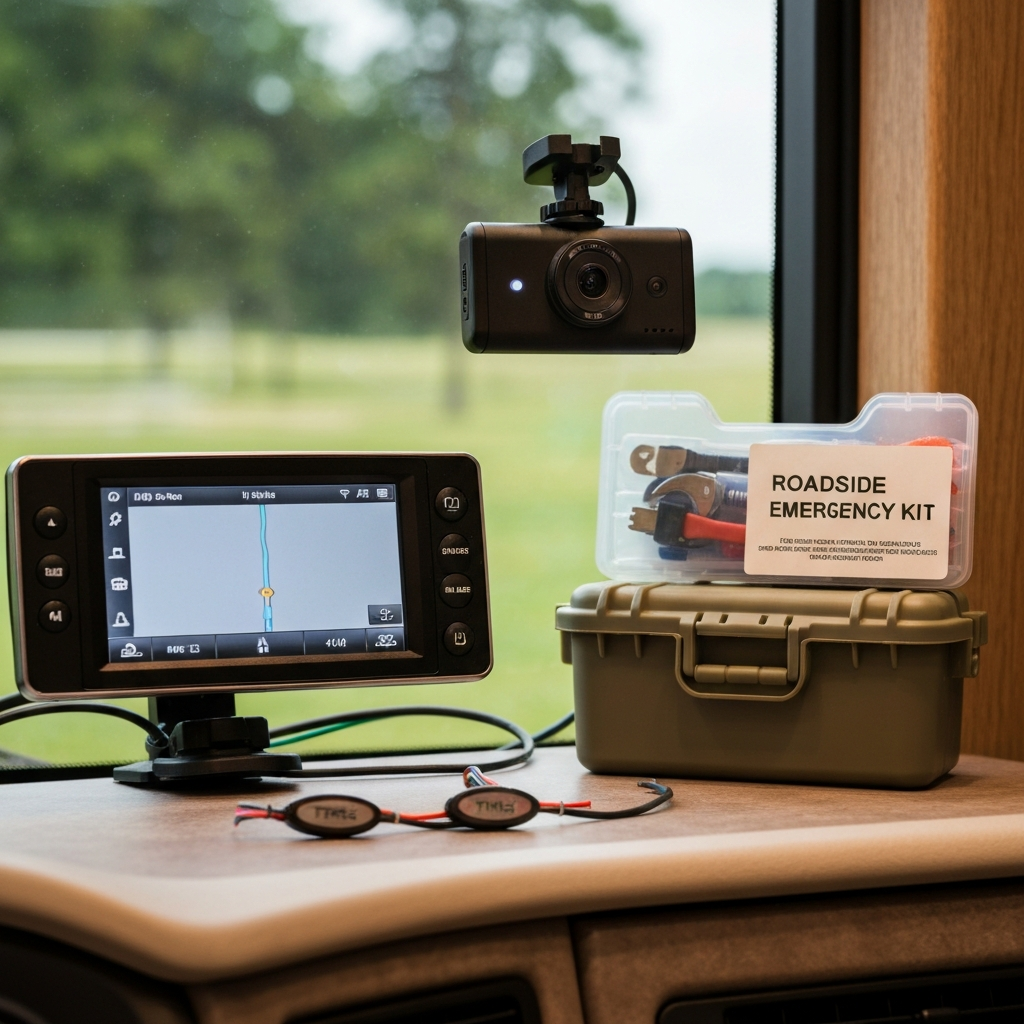
1) RV-capable GPS / truck-style navigator
This is the cornerstone for Safe RV Routes. Set your rig profile, avoid clearance traps, and reduce “surprise” detours. If you’re deciding on screen size and usability, revisit the comparison: which Garmin dēzl screen size you actually need.
2) Tire Pressure Monitoring System (TPMS)
Blowouts don’t feel “random” when you realize how many RV tires run underinflated, overloaded, or both. TPMS won’t fix stupidity, but it catches problems before they become bodywork.
3) Dash cam (front + optional rear)
It’s not paranoia. It’s documentation. When something goes sideways, you’ll want video—especially on complicated merges, tight turns, or after a near miss caused by someone doing something spectacularly dumb.
4) Basic recovery + safety kit
Gloves, reflective triangles, a quality flashlight, fuses, basic tools, and a real air compressor. Not the toy one. The one that actually inflates your tires without crying.
Frequently Asked Questions
What’s the fastest way to plan safe RV routes?
Set hard vehicle limits (height/weight/length), route with an RV-specific GPS profile, avoid low clearances and ugly grades, cross-check with satellite/street view, and build a backup route for weather, closures, and fuel range. That’s the whole playbook.
Are Interstate bridges always tall enough for my RV?
Most of the time, but don’t confuse “most” with “all.” Design standards commonly target around 14 feet minimum in many Interstate urban routes and around 16 feet on at least one urban routing, but exceptions exist and older infrastructure still surprises people. Use signage, validation, and common sense. Source: FHWA design standards.
Can I trust Google Maps or Apple Maps for an RV?
Trust them for traffic, not for constraints. They don’t reliably model clearance, weight limits, and RV-specific restrictions. Use them as a secondary context layer, then route with an RV-capable tool. If you want the detailed breakdown: this RV GPS guide.
How do I avoid steep grades and overheating on mountain routes?
Pick routes with shorter or gentler climbs when possible, manage speed early, downshift before temps spike, and plan pull-offs. On descents, engine brake early and keep speed boring. If your tool shows long sustained grades at 6–8%, treat that as a “plan harder” moment.
What gear actually helps with route safety?
An RV-capable GPS/truck navigator, TPMS, dash cam, and a real roadside kit. Those reduce clearance mistakes, tire failures, and chaos when something goes wrong.
Insider takeaway
The insider move is simple: you don’t “hope” for Safe RV Routes—you enforce them with hard limits, RV-aware routing, and last-mile validation.
Action step: measure your rig today, write the number on your dash, then set your navigator profile and build a Plan B route before you roll.
And if you catch yourself saying “it’ll probably be fine,” congratulations—you just found the exact moment where RVs get expensive.
As an Amazon Associate, I earn from qualifying purchases.